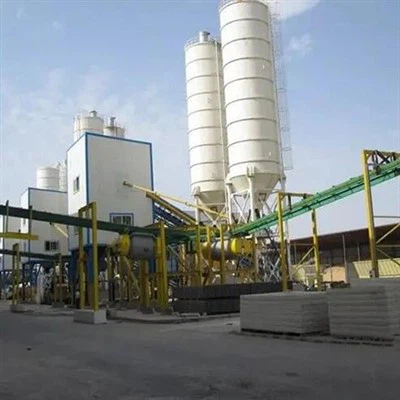
What is the dust emission of a dry mix concrete plant? Well, as a supplier of dry mix concrete plants, I've had my fair share of dealing with this question. Let's dive right in and break it down.
First off, dust emission is a big deal in a dry mix concrete plant. You see, a dry mix concrete plant is all about mixing dry ingredients like cement, aggregates, and additives to make concrete. During this process, there are several stages where dust can be kicked up.
One of the main sources of dust is the handling and storage of cement. Cement is a fine powder, and when it's being transferred from silos to the mixer, or even just when the silo is being filled, dust can escape into the air. It's like when you pour a bag of flour at home, and a little bit of it just floats around. The same principle applies here, but on a much larger scale.
Another source is the handling of aggregates. Aggregates, such as sand and gravel, are often stored in open yards. When they're being loaded onto conveyors or into the mixer, the movement can cause dust to be released. And let me tell you, these aggregates are heavy-duty materials, so there's a lot of dust potential.
The mixing process itself can also generate dust. As the dry ingredients are being blended together in the mixer, the agitation can cause fine particles to become airborne. It's a bit like a mini dust storm happening inside the mixer.
Now, you might be wondering why dust emission is such a concern. Well, for starters, it's a health hazard. Breathing in dust particles can cause respiratory problems, especially for workers in the plant. It can also lead to long-term health issues like silicosis, which is a serious lung disease caused by inhaling silica dust, which is commonly found in cement and aggregates.
From an environmental perspective, dust emission can have a negative impact on the surrounding area. It can settle on plants and soil, affecting their growth. It can also contribute to air pollution, which is a big no-no these days.
So, what can be done to control dust emission in a dry mix concrete plant? There are several measures that can be taken. One of the most common is the use of dust collectors. These are devices that capture dust particles before they can escape into the air. They work by drawing in the dusty air and filtering out the particles. There are different types of dust collectors available, such as bag filters and cyclone separators, each with its own advantages.


Another important measure is to keep the plant clean. Regularly sweeping and washing the floors and equipment can help reduce the amount of dust that's lying around and ready to be kicked up. It's like keeping your house clean to prevent dust from building up.
Proper ventilation is also crucial. By ensuring that there's good air circulation in the plant, dust can be carried away from the work areas and out of the building. This can be achieved through the use of fans and ventilation systems.
Now, let me tell you a bit about the products we offer as a dry mix concrete plant supplier. We have a range of high-quality plants that are designed to minimize dust emission. Our Universal mobile concrete batching plant is a great option for those who need a flexible and mobile solution. It's equipped with advanced dust control systems to ensure that dust is kept to a minimum.
Our Dry Concrete Plant is another top-notch product. It's built with durability and efficiency in mind, and it comes with features that help reduce dust emission during the mixing process.
And if you're looking for something more specialized, our Aggregate Industries Concrete Plants are designed to handle large volumes of aggregates while keeping dust under control.
In conclusion, dust emission is a significant issue in a dry mix concrete plant, but it can be managed effectively with the right measures and equipment. As a supplier, we're committed to providing our customers with plants that are not only productive but also environmentally friendly. If you're in the market for a dry mix concrete plant and want to learn more about how we can help you control dust emission, don't hesitate to get in touch. We're here to assist you in making the right choice for your business.
References
- Concrete Plant Handbook: A Guide to Design, Operation, and Maintenance
- Environmental Regulations for Concrete Plants: A Compilation of Best Practices