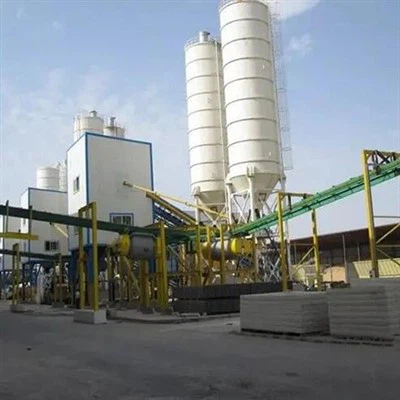
Hey there! As a supplier of concrete mixing stations, I often get asked about the capacity of a typical concrete mixing station. Well, let's dive right into it and break it down in a way that's easy to understand.
First off, what do we mean by the capacity of a concrete mixing station? Simply put, it refers to the amount of concrete that the station can produce within a specific period, usually an hour. This capacity is a crucial factor for construction projects of all sizes because it determines how quickly you can get the concrete you need on - site.
There are several types of concrete mixing stations out there, and their capacities can vary widely. For small - scale projects like home renovations or small building extensions, a mobile concrete plant might be the way to go. You can check out more about these Mobile Concrete Plant. These mobile plants are designed for their portability and flexibility. They usually have a relatively lower capacity, ranging from about 10 to 30 cubic meters per hour. This is great for projects where you don't need a huge volume of concrete all at once, and you might need to move the plant around different locations on the site.
On the other hand, if you're working on a large - scale commercial building, a high - rise construction, or a major infrastructure project like a bridge or a highway, you'll need a concrete mixing station with a much higher capacity. A typical stationary concrete mixing station can have capacities starting from 30 cubic meters per hour all the way up to 240 cubic meters per hour or even more in some cases.


Let's talk about the factors that influence the capacity of a concrete mixing station. One of the most important factors is the size and efficiency of the mixer. The mixer is the heart of the concrete mixing station, where all the ingredients - cement, aggregates, water, and additives - are combined to form concrete. A larger mixer can hold more materials at once, which means it can produce more concrete in each batch. For example, a twin - shaft mixer is known for its high - efficiency mixing and can handle larger volumes of materials compared to a single - shaft mixer. You can find out more about mixers in a Concrete Batcher.
Another factor is the feeding system. A well - designed feeding system can quickly and accurately deliver the right amount of each ingredient to the mixer. If the feeding system is slow or inaccurate, it can slow down the entire production process and reduce the overall capacity of the station. Modern concrete mixing stations often use advanced weighing and feeding systems to ensure precise measurement and fast delivery of materials.
The automation level of the concrete mixing station also plays a big role. An automated station can control the entire production process, from ingredient feeding to mixing and discharging, with minimal human intervention. This not only improves the accuracy of the concrete production but also speeds up the process. With automation, the station can run continuously and adjust the production according to the demand, which significantly increases the capacity.
Now, let's take a look at Mobile Mixing Plant. These are a great option for projects that require mobility but still need a decent amount of concrete production. They usually come with a pre - assembled structure that can be easily transported and set up on - site. Although their capacities are generally lower than large stationary stations, they are very versatile. Some mobile mixing plants can be customized to increase their capacity to meet the specific needs of a project.
When choosing a concrete mixing station, it's important to consider the project requirements carefully. You need to estimate how much concrete you'll need per hour, per day, and over the entire duration of the project. If you underestimate the capacity, you might face delays in construction due to a shortage of concrete. On the other hand, if you overestimate, you'll end up paying for a more expensive and larger - capacity station than you actually need.
We, as a supplier, understand that every project is unique, and we're here to help you choose the right concrete mixing station with the appropriate capacity. Our team of experts can work with you to analyze your project requirements, including the type of construction, the volume of concrete needed, and the site conditions. We can then recommend the most suitable concrete mixing station for you.
If you're in the process of planning a construction project and need a concrete mixing station, don't hesitate to reach out to us. We can provide you with detailed information about our products, including their capacities, features, and prices. Our goal is to make sure you get the best - suited concrete mixing station for your project at a reasonable cost. Whether you need a small - capacity mobile plant or a large - scale stationary station, we've got you covered.
In conclusion, the capacity of a typical concrete mixing station can vary greatly depending on the type of station, the size of the mixer, the feeding system, and the automation level. By understanding these factors and carefully assessing your project needs, you can choose the right concrete mixing station that will help your construction project run smoothly and efficiently. So, if you're looking for a reliable concrete mixing station supplier, get in touch with us today, and let's start the conversation about your project requirements.
References
- Concrete Technology textbooks
- Industry reports on concrete mixing station technology and capacity standards
- Manufacturer's specifications of various concrete mixing station models