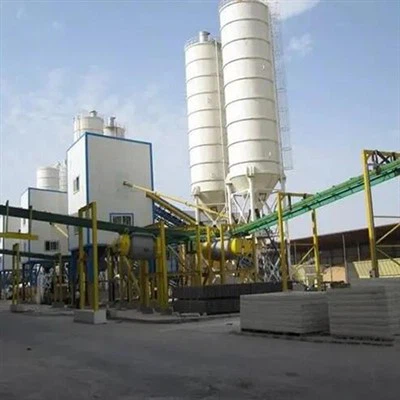
Hey there! As a supplier of mini concrete plants, I often get asked about the anti-rust treatment of these machines. Rust can be a real pain in the neck for mini concrete plants, as it not only affects the appearance but also the performance and lifespan of the equipment. So, let's dive into what anti-rust treatment for a mini concrete plant is all about.
Why Anti-Rust Treatment Matters
First off, let's understand why anti-rust treatment is so important. Mini concrete plants are usually made of metal components, and these metals are prone to rust when exposed to moisture, oxygen, and other corrosive elements. Rust can weaken the structural integrity of the plant, leading to potential safety hazards. It can also cause parts to malfunction, which means more downtime for repairs and less productivity.
For example, if the conveyor belts or the mixing blades of a mini concrete plant start to rust, they won't work as efficiently. The conveyor belts might not move the materials smoothly, and the mixing blades might not blend the concrete properly. This can result in poor-quality concrete, which is a big no-no in the construction industry.
Types of Anti-Rust Treatments
1. Painting
One of the most common anti-rust treatments is painting. A good-quality paint acts as a barrier between the metal surface and the environment, preventing moisture and oxygen from coming into contact with the metal. When painting a mini concrete plant, it's important to choose a paint that is specifically designed for metal and can withstand the harsh conditions in a concrete plant.
There are different types of paints available, such as epoxy paints and polyurethane paints. Epoxy paints are known for their excellent adhesion and corrosion resistance. They can form a tough, protective layer on the metal surface. Polyurethane paints, on the other hand, offer good flexibility and weather resistance. They can withstand changes in temperature and humidity without cracking or peeling.
Before applying the paint, the metal surface needs to be properly prepared. This usually involves cleaning the surface to remove any dirt, grease, or rust. You can use a wire brush or a sandblaster to clean the surface. Once the surface is clean, a primer can be applied to improve the adhesion of the paint. After the primer has dried, the topcoat can be applied in one or more layers.
2. Galvanizing
Galvanizing is another effective anti-rust treatment. It involves coating the metal with a layer of zinc. Zinc is a sacrificial metal, which means it corrodes before the underlying metal. When the zinc layer is exposed to the environment, it forms a thin layer of zinc oxide or zinc hydroxide on its surface. This layer acts as a protective barrier, preventing further corrosion of the metal.
There are two main types of galvanizing: hot-dip galvanizing and electro-galvanizing. Hot-dip galvanizing is a process where the metal is dipped into a bath of molten zinc. This method provides a thick and durable zinc coating. Electro-galvanizing, on the other hand, uses an electric current to deposit a thin layer of zinc onto the metal surface.
Galvanizing is a popular choice for mini concrete plants because it provides long-lasting protection against rust. However, it can be more expensive than painting, especially for large components.
3. Anti-Rust Coatings
In addition to painting and galvanizing, there are also anti-rust coatings available. These coatings are usually applied in a liquid form and can penetrate into the pores of the metal surface. They form a protective film that inhibits the corrosion process.
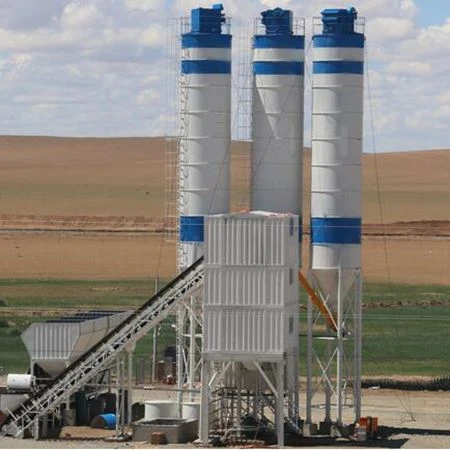

Some anti-rust coatings contain chemicals that react with the metal surface to form a passive layer. This passive layer can prevent further oxidation of the metal. Other coatings work by repelling water and moisture, keeping the metal dry and rust-free.
Anti-rust coatings can be a good option for areas that are difficult to paint or galvanize, such as small crevices or internal parts of the mini concrete plant.
Maintenance After Anti-Rust Treatment
Once the anti-rust treatment has been applied, it's important to maintain it properly. Regular inspections should be carried out to check for any signs of rust or damage to the protective coating. If any rust is detected, it should be removed immediately and the affected area should be re-coated.
Cleaning the mini concrete plant regularly is also important. Dirt and debris can trap moisture on the metal surface, increasing the risk of rust. You can use a mild detergent and water to clean the plant, and then dry it thoroughly to prevent moisture from lingering.
Conclusion
In conclusion, anti-rust treatment is essential for a mini concrete plant to ensure its long-term performance and reliability. Whether you choose painting, galvanizing, or anti-rust coatings, it's important to do it right and maintain the treatment over time.
If you're in the market for a mini concrete plant, or if you need more information about anti-rust treatments, feel free to Concrete Batching Plant Price to get an idea of the costs involved. You can also check out our Readymix Concrete Plant for more details on our products. And if you want to learn more about the Batching And Mixing Of Concrete, we've got you covered.
We're always here to help you with your concrete plant needs. So, don't hesitate to get in touch if you have any questions or if you're interested in purchasing a mini concrete plant. Let's work together to build a better future with high-quality concrete plants!
References
- "Corrosion Prevention in the Construction Industry" - Construction Materials Journal
- "Guide to Anti-Rust Treatments for Metal Equipment" - Industrial Maintenance Magazine