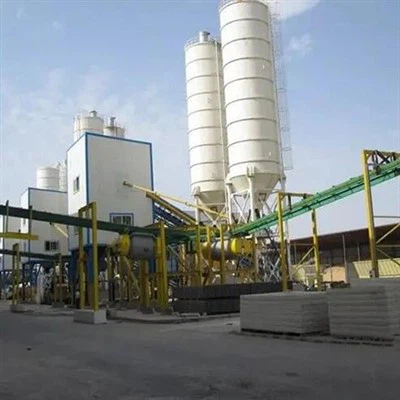
Hey there! I'm a supplier of cement mixing plants, and today I wanna talk about the anti - blockage measures in a cement mixing plant.
First off, let's understand why blockages happen in a cement mixing plant. There are a few main reasons. One is the nature of the materials. Cement, sand, and aggregates can sometimes clump together, especially if they've got a high moisture content. Also, if the materials are not properly graded, it can lead to blockages. Another reason is the equipment itself. Over time, wear and tear can cause parts of the plant to malfunction, leading to blockages in pipes, conveyors, or silos.


So, what are the anti - blockage measures we can take?
1. Material Management
- Proper Storage: Make sure the materials are stored in a dry place. Cement, in particular, should be kept in sealed silos to prevent moisture absorption. If the cement gets wet, it'll form lumps and cause blockages when it's fed into the mixing system. We can also install dehumidifiers in the storage areas to keep the humidity levels in check.
- Material Grading: Before using the aggregates and sand, they should be properly graded. This means separating them into different sizes. By doing this, we can ensure a smooth flow of materials through the plant. For example, using a vibrating screen to sieve the aggregates can help remove any oversized particles that might cause blockages.
2. Equipment Maintenance
- Regular Inspections: We need to inspect the equipment regularly. This includes checking the pipes, conveyors, and valves for any signs of wear or blockage. For the pipes, we can use cameras to look inside and detect any build - up of materials. If we find any issues, we should fix them right away. For instance, if a valve is not opening or closing properly, it needs to be repaired or replaced.
- Cleaning: Regular cleaning of the equipment is crucial. After each batch of concrete is produced, the mixing unit, conveyors, and silos should be cleaned. We can use water jets or brushes to remove any remaining materials. This helps prevent the build - up of hardened cement or aggregates, which can lead to blockages over time.
3. System Design
- Proper Pipe Sizing: The pipes in the cement mixing plant should be sized correctly. If the pipes are too small, the materials will have a hard time flowing through, increasing the risk of blockages. On the other hand, if the pipes are too large, it can lead to inefficient use of energy. So, we need to calculate the right pipe diameter based on the flow rate of the materials.
- Slope and Angle: The conveyors and pipes should be installed at the right slope and angle. This helps the materials move smoothly under the influence of gravity. For example, the conveyor belts should have a sufficient incline to ensure that the aggregates and sand don't slide back.
4. Monitoring and Control
- Flow Sensors: Installing flow sensors in the pipes and conveyors can help us monitor the flow of materials. If the flow rate drops suddenly, it could be a sign of a blockage. The sensors can send an alarm to the control room, allowing the operators to take immediate action.
- Automated Control Systems: Using automated control systems can optimize the operation of the cement mixing plant. These systems can adjust the speed of the conveyors, the opening and closing of valves, and the feeding rate of materials based on the real - time conditions. This helps prevent overloading and blockages.
Now, if you're in the market for a cement mixing plant, we've got some great options for you. Check out our Concrete Batch Plant For Sale. It's a high - quality product that's designed to minimize blockages and ensure efficient operation. We also have the Fast Way Concrete Batch Plant, which is known for its fast production speed and reliable performance. And if you're looking for the best in the industry, take a look at our Best Concrete Plant.
If you're interested in any of our products or have any questions about anti - blockage measures in a cement mixing plant, don't hesitate to get in touch. We're here to help you make the right choice for your construction projects.
References:
- "Concrete Technology" by P. Kumar Mehta and Paulo J.M. Monteiro
- "Cement and Concrete Chemistry" by George W. Taylor