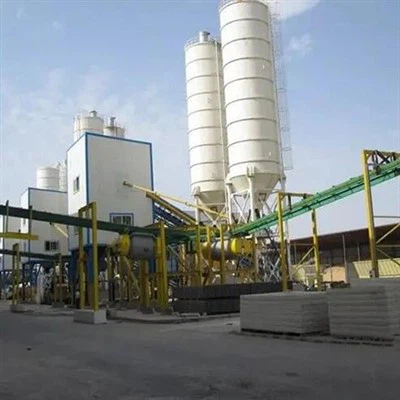
Hey there! I'm a supplier of cement mixing plants, and today I wanna talk about the raw materials used in a cement mixing plant. It's super important to know what goes into making that solid, reliable concrete we all rely on for so many construction projects.
Cement
Let's start with the star of the show: cement. It's the binding agent that holds everything together in concrete. There are different types of cement, but the most common one is Portland cement. It's made by heating limestone and clay or shale in a kiln at really high temperatures. This process creates clinker, which is then ground up with a little gypsum to make the fine powder we know as cement.
Portland cement is great because it sets and hardens when it comes into contact with water through a chemical reaction called hydration. This reaction forms a strong, durable matrix that gives concrete its strength. Depending on the project requirements, we might also use other types of cement like rapid - hardening cement for projects that need quick setting or sulfate - resistant cement for areas with high sulfate content in the soil or water.

Aggregates
Next up are aggregates. These are basically the filler materials in concrete. There are two main types: fine aggregates and coarse aggregates.
Fine Aggregates
Fine aggregates are usually sand. River sand is a popular choice because it's well - rounded and has a smooth texture. It fills the spaces between the larger particles and helps to make the concrete workable. The size of fine aggregates typically ranges from 0.075 mm to 4.75 mm. Using the right amount of sand is crucial. Too much sand can make the concrete more prone to shrinkage and cracking, while too little can make it difficult to work with.
Coarse Aggregates
Coarse aggregates are larger particles, like gravel or crushed stone. The size of coarse aggregates can range from 4.75 mm up to 37.5 mm or even larger in some cases. Gravel is often preferred for its smooth surface, which can improve the workability of the concrete. Crushed stone, on the other hand, has a more angular shape, which gives the concrete better interlocking and higher strength. The choice between gravel and crushed stone depends on factors like availability, cost, and the specific requirements of the project.
Water
Water is another essential raw material. It's not just there to make the concrete wet; it plays a key role in the hydration process of cement. The amount of water used in a cement mixing plant is carefully controlled. We calculate the water - to - cement ratio (w/c ratio), which is the weight of water divided by the weight of cement. A lower w/c ratio generally results in stronger and more durable concrete, but it also makes the concrete less workable. So, we need to find the right balance.
In addition to the water used for hydration, we also use water for cleaning the equipment in the cement mixing plant. It's important to use clean water, free from impurities like salts, oils, and organic matter, as these can affect the quality of the concrete.
Admixtures
Admixtures are substances added to concrete in small amounts to modify its properties. There are several types of admixtures, and each one serves a different purpose.
Plasticizers and Superplasticizers
Plasticizers and superplasticizers are used to increase the workability of concrete without increasing the water content. They work by reducing the surface tension between the cement particles, allowing them to flow more easily. This is especially useful when we need to place concrete in difficult - to - reach areas or when we want to use a lower w/c ratio for stronger concrete.
Accelerators
Accelerators speed up the setting and hardening process of concrete. They're often used in cold weather conditions or when we need the concrete to gain strength quickly. Calcium chloride is a common accelerator, but there are also other types that are more environmentally friendly.
Retarders
On the other hand, retarders slow down the setting process. They're useful in hot weather or when we have a long - distance transportation of concrete. By slowing down the hydration reaction, we can keep the concrete workable for a longer time.
Air - Entraining Agents
Air - entraining agents introduce tiny air bubbles into the concrete. These air bubbles improve the freeze - thaw resistance of the concrete, making it more durable in cold climates. They also enhance the workability of the concrete.
Fly Ash and Silica Fume
Fly ash and silica fume are supplementary cementitious materials (SCMs). They can partially replace cement in concrete and offer several benefits.
Fly Ash
Fly ash is a by - product of coal - fired power plants. It's a fine powder that can react with calcium hydroxide produced during the hydration of cement. Using fly ash can reduce the cost of concrete, improve its workability, and increase its long - term strength. It also helps to reduce the environmental impact by recycling a waste material.
Silica Fume
Silica fume is a by - product of the silicon and ferrosilicon alloy industries. It's an extremely fine powder with a high silica content. Silica fume can significantly increase the strength and durability of concrete. It fills the pores in the concrete matrix, making it more dense and less permeable.
Our Cement Mixing Plants
As a supplier, we offer a variety of cement mixing plants to meet different needs. If you're looking for a small - scale solution, our Mini Concrete Mixing Plant is a great option. It's compact and easy to operate, perfect for small construction sites or DIY projects.
For medium - sized projects, our Compact Concrete Plant provides a good balance between capacity and space requirements. It's designed to be efficient and reliable, ensuring high - quality concrete production.
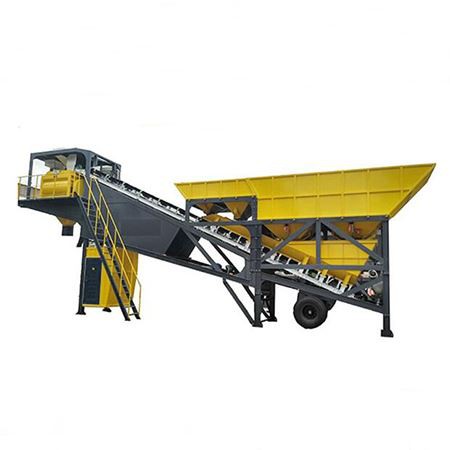
And if you need a mobile solution that can be easily transported to different job sites, our Mobile Concrete Batch Plant is the way to go. It offers flexibility and convenience, allowing you to produce concrete right where it's needed.
Conclusion
So, there you have it - the main raw materials used in a cement mixing plant. Understanding these materials is crucial for producing high - quality concrete. Whether you're a contractor, builder, or someone involved in the construction industry, choosing the right raw materials and the right cement mixing plant can make a big difference in the success of your projects.
If you're interested in our cement mixing plants or have any questions about the raw materials and concrete production, don't hesitate to reach out. We're here to help you get the best solution for your needs. Let's start a conversation and see how we can work together to make your construction projects a success!
References
- Neville, A. M. (1995). Properties of Concrete. Pearson Education.
- Mehta, P. K., & Monteiro, P. J. M. (2013). Concrete: Microstructure, Properties, and Materials. McGraw - Hill Education.