

As a supplier of central mixing plants, I've had the privilege of witnessing firsthand the numerous advantages these facilities bring to the construction industry. However, it's crucial to have an honest and balanced conversation about the potential drawbacks as well. In this blog, I'll delve into the disadvantages of a central mixing plant, offering insights that can help construction professionals make informed decisions when choosing the right concrete production solution for their projects.
High Initial Investment
One of the most significant disadvantages of a central mixing plant is the substantial initial investment required. Setting up a central mixing plant involves purchasing land, constructing a building, and acquiring the necessary equipment. The cost of Ready Mix Concrete Plant Equipment can be quite high, especially for larger, more advanced plants. Additionally, there are expenses associated with obtaining permits, hiring skilled personnel, and conducting initial training.
For small to medium-sized construction companies, this high upfront cost can be a major deterrent. It may require taking on significant debt or tying up a large portion of the company's capital, which can limit financial flexibility and potentially affect other aspects of the business. Even for larger companies, the investment needs to be carefully evaluated against the expected return on investment (ROI).
Limited Mobility
Central mixing plants are typically fixed installations. Once they are set up in a particular location, it's difficult and costly to relocate them. This lack of mobility can be a disadvantage in situations where construction projects are spread out over a large area or when projects are short - term and require a concrete production facility to be moved from one site to another.
In contrast, On Site Concrete Batching Plant offer greater flexibility as they can be set up directly at the construction site. This eliminates the need for long - distance transportation of concrete, which can save time and reduce the risk of concrete quality degradation during transit.
Transportation Challenges
Since concrete produced in a central mixing plant needs to be transported to the construction site, transportation becomes a critical factor. Long - distance transportation can lead to several issues. Firstly, it increases the cost of concrete delivery. Fuel costs, vehicle maintenance, and driver wages all contribute to the overall transportation expense, which can make the concrete more expensive for the end - user.
Secondly, the quality of concrete can be affected during transportation. Concrete is a time - sensitive material, and as it travels, it starts to set. If the transportation time is too long, the concrete may become too stiff before it reaches the construction site, resulting in a loss of workability. This can lead to problems during the placement and finishing of the concrete, potentially affecting the final quality of the construction project.
Dependency on Infrastructure
Central mixing plants rely heavily on local infrastructure. Adequate roads are necessary for the smooth movement of raw materials to the plant and the delivery of concrete to the construction site. In areas with poor road conditions, transportation can be delayed, which can disrupt the construction schedule.
Moreover, a reliable supply of electricity and water is essential for the operation of the plant. Any interruption in the power supply can halt the production process, and a shortage of water can also affect the quality and quantity of concrete produced. In regions where infrastructure is underdeveloped or unreliable, the operation of a central mixing plant can be challenging.
Environmental Impact
The operation of a central mixing plant can have a significant environmental impact. The production of concrete involves the extraction of large amounts of raw materials such as limestone, sand, and gravel. This extraction can lead to habitat destruction, soil erosion, and water pollution.
In addition, the plant itself generates dust and noise pollution. Dust emissions from the handling of raw materials and the mixing process can have a negative impact on air quality, posing health risks to nearby residents and workers. The noise generated by the machinery can also be a nuisance, especially in residential areas.
Maintenance and Downtime
Central mixing plants are complex pieces of equipment that require regular maintenance. Components such as mixers, conveyors, and weighers need to be inspected, serviced, and repaired on a regular basis to ensure smooth operation. Maintenance activities can be time - consuming and expensive, and they often require skilled technicians.
During maintenance or in the event of equipment breakdown, the plant may need to be shut down. This downtime can disrupt the supply of concrete to construction sites, leading to delays in the project schedule. For construction projects with tight deadlines, any delay in the concrete supply can have a cascading effect on the entire project.
Market Competition and Overcapacity
In some areas, the market may be saturated with central mixing plants. This can lead to intense competition among suppliers, which can drive down prices and reduce profit margins. Overcapacity in the market means that there is more concrete production capacity than there is demand, which can result in underutilized plants.
When plants are not operating at full capacity, the cost per unit of concrete produced increases. This is because fixed costs such as equipment depreciation, rent, and administrative expenses are spread over a smaller volume of production. For suppliers, this can make it difficult to remain profitable in a highly competitive market.
Quality Control Challenges
Ensuring consistent quality across all batches of concrete produced in a central mixing plant can be a challenge. The quality of concrete depends on several factors, including the quality of raw materials, the accuracy of the mixing process, and the environmental conditions during production.
Variations in the quality of raw materials can occur, and if not properly managed, they can lead to differences in the properties of the concrete. The mixing process also needs to be carefully controlled to ensure that the concrete has the right consistency and strength. With a large - scale production facility, it can be difficult to monitor and control all these factors for every batch of concrete.
Labor Requirements
Central mixing plants require a significant amount of labor. Skilled operators are needed to run the plant, manage the raw material inventory, and control the mixing process. In addition, there is a need for workers to handle the loading and unloading of raw materials and the delivery of concrete.
Finding and retaining skilled labor can be a challenge, especially in areas where there is a shortage of workers with the necessary expertise. Labor costs can also be a significant expense for the plant operator, further adding to the overall cost of concrete production.
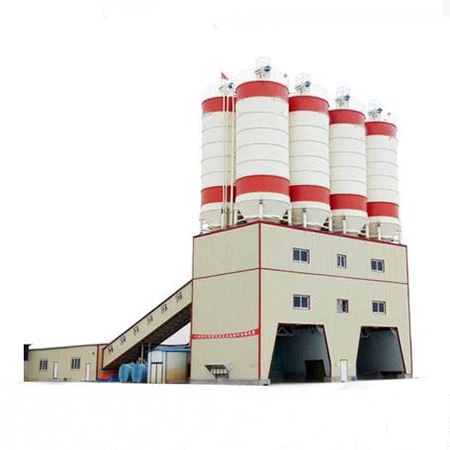

Despite these disadvantages, central mixing plants still have their place in the construction industry. They offer economies of scale, high - volume production capabilities, and the ability to produce consistent - quality concrete. However, construction professionals need to carefully weigh these disadvantages against the advantages when deciding whether to use a central mixing plant or an alternative solution such as a Small Rmc Plant or an on - site batching plant.
If you're considering a concrete production solution for your construction project and want to learn more about how to mitigate these disadvantages or how our central mixing plants can meet your specific needs, I encourage you to reach out. We're here to have in - depth discussions, provide detailed information, and work with you to find the best solution for your project.
References
- ACI Manual of Concrete Practice. American Concrete Institute.
- Neville, A. M. (1995). Properties of Concrete. Pearson Education.
- Mehta, P. K., & Monteiro, P. J. M. (2014). Concrete: Microstructure, Properties, and Materials. McGraw - Hill Education.


