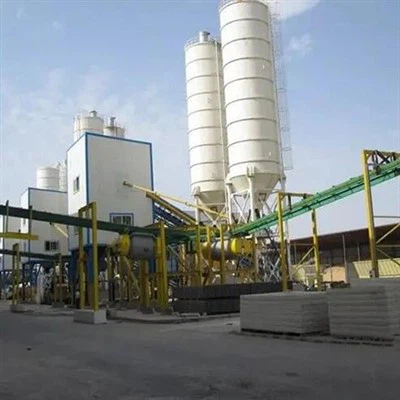
Hey there! As a supplier for a Ready Mix Cement Plant, I've been in the thick of the industry for quite some time. And let me tell you, cost - cutting is always on the top of our minds. In this blog, I'm gonna share some effective cost - cutting measures that we've found really useful in a ready mix cement plant.


1. Raw Material Management
One of the biggest costs in a ready mix cement plant is the raw materials. Cement, aggregates, water, and additives all add up. To cut costs here, we need to be smart about sourcing. First off, we should build long - term relationships with reliable suppliers. When we commit to buying from them over a long period, they're more likely to offer us better prices. For example, we can negotiate volume - based discounts. If we agree to purchase a certain amount of cement every month for a year, the supplier might give us a 5 - 10% discount.
Another thing is to regularly analyze the quality and cost of different raw materials. Sometimes, a slightly different grade of aggregate might be cheaper and still meet our quality standards. We can also look into local sources of raw materials. Transporting materials from far - off places can be expensive due to fuel costs and logistics. By using local aggregates, we can save a significant amount on transportation. And don't forget about recycling. In a ready mix cement plant, we can recycle waste concrete. The recycled aggregates can be used in new batches, reducing the need to buy fresh aggregates.
2. Equipment Optimization
Our equipment is like the heart of the ready mix cement plant. Keeping it in top shape and using it efficiently can lead to big cost savings. First, regular maintenance is a must. A well - maintained mixer, conveyor belt, or pump is less likely to break down. Breakdowns mean production stops, and that's a huge loss. We should have a strict maintenance schedule. For example, check the mixers every week for wear and tear, and lubricate the moving parts regularly.
When it comes to buying new equipment, we need to be careful. Instead of always going for the most expensive, high - end models, we can look for cost - effective options. There are some great Mini mobile concrete batching plant available in the market. These are not only cheaper to buy but also consume less energy. They're also more flexible, which means we can move them around the plant easily if needed.
We can also optimize the operation of our equipment. For instance, adjusting the mixing time and speed can save energy. If we find that we can achieve the same quality of concrete with a shorter mixing time, then we should do it. And using automated systems can help us control the equipment more precisely, reducing waste and saving on energy costs.
3. Energy Efficiency
Energy is a major cost factor in a ready mix cement plant. We use a lot of electricity for running the equipment and heat for some processes. To cut energy costs, we can start by upgrading to energy - efficient equipment. Newer models of mixers and pumps are designed to use less power. For example, some modern mixers have variable speed drives, which adjust the power consumption according to the load.
We can also make better use of natural light and ventilation. Instead of relying solely on artificial lighting during the day, we can install skylights in the plant. And proper ventilation can reduce the need for air - conditioning. Another great way to save energy is by using renewable energy sources. If possible, we can install solar panels on the plant's roof. The electricity generated from the sun can power some of our equipment, reducing our reliance on the grid.
4. Labor Management
Labor costs can also be a significant part of the overall expenses in a ready mix cement plant. To manage these costs, we need to ensure that our workforce is productive. First, we should provide proper training to our employees. A well - trained worker can operate the equipment more efficiently, reducing the chances of mistakes and waste. For example, training them on the correct way to measure and mix the raw materials can improve the quality of the concrete and also save materials.
We can also optimize the staffing levels. Analyze the production schedule and determine the minimum number of workers needed at different times. There's no point in having too many workers when the production is slow. And we can use incentives to motivate our employees. For example, offer bonuses for meeting production targets or reducing waste. This way, they'll be more engaged and productive.
5. Inventory Management
Having too much inventory can tie up a lot of capital, and having too little can lead to production delays. So, we need to find the right balance. We can use inventory management software to track the stock of raw materials and finished products. This software can help us predict the demand and order the right amount of materials at the right time.
For example, if we know that the demand for concrete is usually higher in the summer months, we can start building up our inventory of raw materials in advance. And we should also have a first - in - first - out (FIFO) system for our inventory. This ensures that the oldest materials are used first, reducing the chances of them going bad or becoming obsolete.
6. Quality Control
Quality control might seem like an area where we can't cut costs, but actually, it can lead to savings in the long run. By having strict quality control measures in place, we can reduce the number of rejected batches. A rejected batch means wasted materials, labor, and energy. So, invest in good quality control equipment and train our quality control staff well.
We can also analyze the data from quality control tests to identify any patterns. If we notice that a certain type of aggregate is causing quality issues, we can either stop using it or find a way to improve its quality. And by maintaining high - quality standards, we can build a good reputation in the market, which can lead to more business and better profit margins.
7. Waste Reduction
Waste is not only bad for the environment but also for our bottom line. In a ready mix cement plant, there are several ways to reduce waste. As I mentioned earlier, recycling waste concrete is a great start. We can also reduce spillage during the production process. Make sure that the equipment is properly sealed and that the workers are trained to handle the materials carefully.
And when it comes to packaging, we can use reusable or recyclable materials. Instead of single - use plastic bags for additives, we can use bulk storage and dispensing systems. This not only reduces waste but also saves on packaging costs.
8. Process Optimization
Finally, we should constantly look for ways to optimize our production processes. Analyze each step of the process and see if there are any inefficiencies. For example, we might find that the transportation of the finished concrete from the plant to the construction site can be made more efficient. We can use better routing software to plan the delivery routes, reducing the distance traveled and the fuel consumption.
And we can also look into new technologies and processes that can improve the efficiency of our plant. For example, some Concrete Portable Batch Plant and Small Concrete Plants use innovative mixing and batching techniques that can reduce the production time and energy consumption.
In conclusion, there are many cost - cutting measures that we can implement in a ready mix cement plant. By focusing on raw material management, equipment optimization, energy efficiency, labor management, inventory management, quality control, waste reduction, and process optimization, we can significantly reduce our costs and improve our profitability.
If you're interested in learning more about these cost - cutting measures or are looking to purchase equipment for your ready mix cement plant, feel free to reach out. Let's start a conversation and see how we can work together to make your plant more cost - effective.
References
- "Handbook of Concrete Engineering"
- "Cost Management in Manufacturing Industries"
- Industry reports on ready mix cement plants