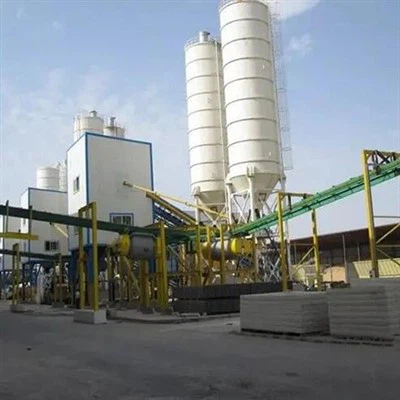
Ready-mixed concrete (RMC) batching plants play a crucial role in the construction industry, providing high - quality concrete mixtures for various projects. As a supplier of RMC batching plants, I have encountered numerous common problems that users face. In this blog, I will discuss these problems and offer effective solutions to ensure the smooth operation of your RMC batching plant.
1. Material Feeding Issues
One of the most frequent problems in RMC batching plants is related to material feeding. Inaccurate feeding of aggregates, cement, water, and additives can lead to inconsistent concrete quality.
Aggregate Feeding
Aggregates are a major component of concrete. Uneven or inaccurate feeding of aggregates can occur due to blockages in the conveyor belts or feeding hoppers. For example, large stones or debris can get stuck in the hopper, preventing the smooth flow of aggregates.
Solution: Regularly inspect and clean the feeding hoppers and conveyor belts. Install grid screens at the hopper entrances to prevent large foreign objects from entering. Additionally, ensure that the conveyor belts are properly tensioned and aligned to avoid slippage or misalignment that can disrupt the feeding process.
Cement Feeding
Cement is a critical ingredient, and any issues with its feeding can significantly affect the concrete's strength and workability. Clogging in the cement silos or screw conveyors is a common problem. Moisture can cause the cement to form lumps, which then block the flow.
Solution: Keep the cement silos dry and well - ventilated. Install vibrators on the silos to prevent cement from sticking to the walls. Regularly check and clean the screw conveyors to remove any accumulated cement residues. It is also advisable to use moisture - resistant cement storage bags and ensure proper handling during transportation.
Water and Additive Feeding
Incorrect water and additive dosages can lead to concrete with improper consistency and setting times. Faulty flow meters or valves can cause inaccurate measurements.
Solution: Calibrate the flow meters and valves regularly to ensure accurate dosing. Install backup flow meters and valves to prevent production halts in case of a failure. Also, monitor the water quality, as impurities can affect the concrete's properties. For additives, follow the manufacturer's instructions carefully regarding storage and handling.
2. Mixing Problems
The mixing process is where all the ingredients come together to form a homogeneous concrete mixture. However, several issues can arise during mixing.
Incomplete Mixing
This occurs when the concrete ingredients are not thoroughly combined. It can be due to a malfunctioning mixer blade, incorrect mixing time, or an over - loaded mixer.
Solution: Inspect the mixer blades regularly for wear and tear. Replace any damaged blades promptly. Adjust the mixing time according to the type of concrete and the capacity of the mixer. Avoid over - loading the mixer, as it can reduce the efficiency of the mixing process. You can refer to the Best Concrete Plant for advanced mixing technologies that ensure better homogeneity.
Excessive Wear of Mixer Components
The continuous rotation of the mixer blades and the abrasion caused by the aggregates can lead to excessive wear of the mixer components. This not only reduces the mixing efficiency but also increases the maintenance costs.
Solution: Use high - quality, wear - resistant materials for the mixer blades and other components. Implement a regular maintenance schedule that includes lubrication, inspection, and replacement of worn - out parts. Monitor the wear rate of the components and plan for timely replacements to avoid unexpected breakdowns.
3. Electrical and Control System Failures
Modern RMC batching plants rely heavily on electrical and control systems to automate the processes. Any failures in these systems can disrupt the entire production.
Electrical Short - Circuits
Dust, moisture, and loose connections can cause electrical short - circuits. This can lead to equipment damage and production downtime.
Solution: Keep the electrical cabinets clean and dry. Seal any openings to prevent dust and moisture from entering. Regularly check the electrical connections and tighten any loose ones. Install surge protectors to safeguard the electrical components from power surges.
Control System Malfunctions
Problems with the control system can result in incorrect batching sequences, inaccurate dosing, or even complete shutdowns. Software glitches, sensor failures, or communication errors can be the root causes.
Solution: Regularly update the control system software to fix any bugs and improve performance. Calibrate the sensors frequently to ensure accurate data collection. Establish a reliable communication network between the different components of the control system and have a backup control system in place to minimize the impact of failures.
4. Dust and Noise Pollution
RMC batching plants generate significant amounts of dust and noise, which can be a nuisance to the surrounding environment and workers.
Dust Pollution
Dust is generated during the handling of aggregates, cement, and the mixing process. It can pose health risks to workers and cause environmental problems.
Solution: Install dust collection systems, such as bag filters or cyclone separators, at the material handling points and the mixer. Enclose the conveyor belts and hoppers to reduce dust emissions. Regularly clean the dust collection equipment to maintain its efficiency.
Noise Pollution
The operation of the conveyor belts, mixers, and other equipment produces high - level noise. Prolonged exposure to noise can cause hearing loss and other health issues for workers.
Solution: Install noise - reducing enclosures around the noisy equipment. Use sound - absorbing materials in the plant's construction. Provide workers with appropriate hearing protection devices, such as earplugs or earmuffs, and enforce their use.


5. Maintenance and Service Issues
Lack of proper maintenance and timely service can lead to frequent breakdowns and reduced plant lifespan.
Infrequent Maintenance
Some operators neglect regular maintenance, which can result in the gradual deterioration of the plant's components. This can lead to more severe problems and higher repair costs in the long run.
Solution: Develop a comprehensive maintenance schedule that includes daily, weekly, monthly, and annual checks. Train the plant operators on basic maintenance tasks, such as lubrication, cleaning, and inspection. Keep a record of all maintenance activities for future reference.
Lack of Skilled Service Technicians
Finding skilled service technicians who can diagnose and repair complex problems can be a challenge. This can cause delays in getting the plant back into operation.
Solution: Establish a partnership with a reliable service provider that has a team of experienced technicians. Provide in - house training to your staff to handle minor repairs and maintenance tasks. Keep a stock of essential spare parts to reduce the downtime in case of a breakdown.
If you are in the market for a new RMC batching plant or need to upgrade your existing one, we have a wide range of options available. Our Portable Concrete Plant For Sale is ideal for small - scale projects or sites with limited space, while our Small Concrete Mixing Plant offers high - quality performance for medium - sized construction jobs. Contact us today to discuss your specific requirements and start a fruitful business partnership.
References
- Neville, A. M. (1995). Properties of Concrete. Pearson Education.
- ACI Committee 211. (2014). Standard Practice for Selecting Proportions for Normal, Heavyweight, and Mass Concrete. American Concrete Institute.
- Concrete Plant Manufacturer's Bureau. (2008). Guidelines for Concrete Batching Plant Safety and Maintenance.