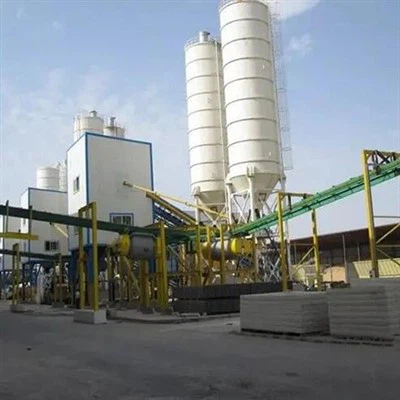
Training new operators for a Central Mixing Plant is a critical process that directly impacts the efficiency, safety, and quality of concrete production. As a leading supplier of Central Mixing Plants, we understand the importance of equipping operators with the necessary skills and knowledge to run these complex facilities smoothly. In this blog, we will explore a comprehensive approach to training new operators, covering various aspects from theoretical knowledge to practical hands - on experience.
Understanding the Basics: Theoretical Training
The first step in training new operators is to provide them with a solid foundation of theoretical knowledge. This includes understanding the different components of the Central Mixing Plant, the principles of concrete mixing, and the importance of quality control.
Components of the Central Mixing Plant
A Central Mixing Plant consists of several key components, such as the aggregate batching system, cement silos, water and admixture dosing systems, and the mixing unit. Operators need to know how each component works and how they interact with one another. For example, the aggregate batching system is responsible for accurately measuring and feeding the different types of aggregates into the mixer. A malfunction in this system can lead to incorrect mix proportions, affecting the quality of the concrete.
We recommend starting the training with a detailed tour of the plant, pointing out each component and explaining its function. Visual aids, such as diagrams and videos, can also be very helpful in enhancing the operators' understanding. Additionally, providing them with technical manuals that describe the specifications and operation procedures of each component is essential.
Principles of Concrete Mixing
Concrete mixing is a scientific process that involves combining cement, aggregates, water, and admixtures in the right proportions to achieve the desired properties. Operators need to understand the factors that affect the quality of the concrete, such as the water - cement ratio, aggregate gradation, and mixing time.
We can conduct theoretical sessions to explain these concepts. For instance, we can use real - life examples to illustrate how a high water - cement ratio can lead to reduced strength and durability of the concrete. We can also demonstrate how different types of admixtures can improve the workability, setting time, and strength of the concrete.
Quality Control
Quality control is a crucial aspect of concrete production. Operators need to be aware of the quality standards and testing methods for concrete. They should know how to take samples, perform basic tests such as slump tests and compressive strength tests, and interpret the results.
During the training, we can provide hands - on training on sample collection and testing. We can also explain the importance of maintaining accurate records of the test results and how these records can be used to improve the quality of the concrete production.
Practical Training: Hands - on Experience
After the theoretical training, it is time for the new operators to gain practical experience. This involves operating the Central Mixing Plant under the supervision of experienced operators.
Start - up and Shutdown Procedures
Operators need to learn the correct start - up and shutdown procedures of the Central Mixing Plant. This includes checking the equipment for any signs of damage or malfunction, ensuring that all the components are properly lubricated and calibrated, and following the safety protocols.
We can assign an experienced operator to mentor the new operator during the start - up and shutdown processes. The mentor can guide the new operator through each step, explaining the reasons behind each action. After several supervised start - up and shutdown operations, the new operator can be given the opportunity to perform these tasks independently.
Mixing Operations
Mixing operations are at the core of the Central Mixing Plant. Operators need to learn how to set the correct mix proportions, control the mixing time, and monitor the quality of the concrete during the mixing process.
We can start by having the new operator assist the experienced operator in setting up the mix proportions. As they gain more confidence, they can be gradually given more responsibility for operating the mixing unit. During the mixing process, the mentor can teach the new operator how to observe the consistency of the concrete and make adjustments if necessary.
Troubleshooting
Even with proper maintenance and operation, problems can still occur in the Central Mixing Plant. Operators need to be able to identify common problems, such as blockages in the conveyor belts, malfunctioning sensors, and leaks in the water or admixture systems, and take appropriate corrective actions.
We can conduct practical training sessions on troubleshooting. We can simulate common problems in a controlled environment and guide the new operators through the process of diagnosing and fixing the issues. This hands - on experience will help them develop the skills and confidence to handle real - life problems when they occur.
Safety Training
Safety is of utmost importance in a Central Mixing Plant. Operators are exposed to various hazards, such as moving machinery, dust, and chemicals. Therefore, comprehensive safety training is essential.
Personal Protective Equipment (PPE)
Operators need to understand the importance of wearing appropriate PPE, such as hard hats, safety glasses, ear protection, gloves, and safety shoes. We can provide a detailed training session on the proper selection, use, and maintenance of PPE.
We can also conduct regular inspections to ensure that all operators are wearing the correct PPE at all times. Additionally, we can set up a system for reporting any damaged or missing PPE so that it can be replaced promptly.
Safety Procedures
Operators need to be familiar with the safety procedures in the Central Mixing Plant. This includes procedures for handling chemicals, operating machinery, and responding to emergencies.
We can provide written safety manuals and conduct practical training sessions on safety procedures. For example, we can simulate an emergency situation, such as a fire or a chemical spill, and train the operators on how to respond quickly and effectively.
Continuous Training and Development
Training is not a one - time event. To keep the operators up - to - date with the latest technologies and best practices, continuous training and development are necessary.
Regular Refresher Courses
We can organize regular refresher courses to reinforce the operators' knowledge and skills. These courses can cover topics such as new equipment features, updated quality standards, and emerging safety regulations.


Industry Updates
The concrete industry is constantly evolving, with new technologies and materials being introduced all the time. We can provide the operators with access to industry publications, conferences, and training programs to keep them informed about the latest developments.
Conclusion
Training new operators for a Central Mixing Plant is a comprehensive process that requires a combination of theoretical knowledge, practical experience, and safety training. As a [Your Role in the Company] at [Your Company], we are committed to providing high - quality training programs to ensure that our customers' operators are well - equipped to operate our Central Mixing Plants efficiently and safely.
If you are interested in our Batching Plant Portable, Mini Concrete Batch Mix Plant, or Fast Way Concrete Plants, or if you have any questions about our training programs, please feel free to contact us. We look forward to discussing your specific needs and helping you achieve the best results in your concrete production.
References
- Concrete Plant Manuals
- Industry Standards for Concrete Production
- Safety Regulations for Industrial Plants