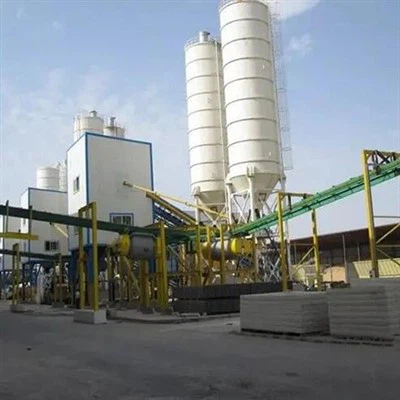
Hey there! As a supplier of Portable Batch Plants, I've seen my fair share of issues when it comes to leakage. It's a real pain in the neck, but don't worry – I've got some tips and tricks to help you prevent it. In this blog, I'll walk you through everything you need to know about keeping your Portable Batch Plant leak - free.
Understanding the Causes of Leakage
Before we can prevent leakage, it's important to understand what causes it. There are several factors that can lead to leaks in a Portable Batch Plant.
One of the most common causes is wear and tear. Over time, the components of the plant, such as seals, gaskets, and pipes, can start to degrade. This is especially true if the plant is used frequently or in harsh conditions. For example, constant vibration during operation can loosen connections and cause small cracks to form in the pipes, leading to leaks.
Another cause is improper installation. If the plant isn't set up correctly, it can put extra stress on certain parts, causing them to fail prematurely. Maybe the pipes aren't aligned properly, or the seals aren't tightened enough. These small mistakes during installation can turn into big leakage problems later on.
Contamination can also be a culprit. If there are foreign particles in the materials being processed, they can damage the seals and gaskets. For instance, sharp rocks or debris in the aggregates can scratch and wear down the rubber seals, allowing the concrete or other materials to seep out.
Preventive Maintenance
Now that we know what causes leakage, let's talk about how to prevent it. The first and most important step is regular preventive maintenance.
Inspect Seals and Gaskets Regularly
Seals and gaskets are like the guardians of your Portable Batch Plant. They keep the materials inside where they belong. Make it a habit to inspect them frequently. Look for signs of wear, such as cracks, tears, or deformation. If you notice any issues, replace the seals and gaskets right away. It's better to spend a little on a replacement part now than deal with a major leakage problem later.
Check Pipes and Connections
Pipes and connections are another area that needs regular attention. Look for any signs of corrosion, rust, or damage. Tighten loose connections, but be careful not to over - tighten, as this can also cause damage. You can use a pipe inspection camera to check the inside of the pipes for any blockages or hidden damage. If you find any damaged pipes, replace them as soon as possible.
Clean the Plant
Keeping your Portable Batch Plant clean is crucial. Remove any built - up materials, debris, or dirt from the plant. This not only helps prevent contamination but also makes it easier to spot any potential leakage points. Use a pressure washer or a high - powered hose to clean hard - to - reach areas.
Proper Installation
As I mentioned earlier, proper installation is key to preventing leakage. When installing your Portable Batch Plant, make sure to follow the manufacturer's instructions carefully.
Hire a Professional
If you're not confident in your installation skills, it's a good idea to hire a professional. They have the experience and knowledge to install the plant correctly, ensuring that all the components are properly aligned and tightened. A professional installation can save you a lot of headaches in the long run.
Use Quality Materials
When it comes to installation, don't skimp on materials. Use high - quality seals, gaskets, and pipes. Cheaper materials may seem like a good deal at first, but they're more likely to fail and cause leakage. Invest in quality components to ensure the long - term reliability of your plant.
Training for Operators
Your operators play a vital role in preventing leakage. They need to know how to operate the Portable Batch Plant correctly to avoid putting unnecessary stress on the components.
Provide Training
Offer comprehensive training to your operators. Teach them about the proper operation of the plant, including how to start and stop it, how to adjust the settings, and how to handle different materials. Make sure they understand the importance of preventing leakage and how their actions can affect the plant's performance.
Encourage Reporting
Encourage your operators to report any potential issues immediately. They're the ones on the front lines, so they're likely to notice any strange noises, vibrations, or signs of leakage before anyone else. By reporting problems early, you can address them before they turn into major disasters.
Choosing the Right Portable Batch Plant
Not all Portable Batch Plants are created equal. When you're in the market for a new plant, make sure to choose one that's designed to prevent leakage.
Look for Quality Construction
Choose a plant that's built with high - quality materials and has a solid construction. Look for features like reinforced pipes, durable seals, and well - designed connections. You can check out our Portable concrete batch plant for an example of a well - constructed plant.
Consider the Type of Plant
There are different types of Portable Batch Plants available, such as Mini Mobile Concrete Batching Plant and Volumetric Batching Plant. Each type has its own advantages and disadvantages when it comes to leakage prevention. Consider your specific needs and choose the type that's best suited for your operations.
Monitoring and Early Detection
Even with all the preventive measures in place, it's still a good idea to have a monitoring system in place to detect leakage early.
Use Sensors
You can install sensors in your Portable Batch Plant to detect any changes in pressure, flow, or temperature. These sensors can alert you if there's a potential leakage problem, allowing you to take action before it gets out of hand.
Visual Checks
In addition to sensors, make sure to do regular visual checks of the plant. Walk around the plant and look for any signs of leakage, such as wet spots, drips, or puddles. These visual inspections can help you catch small leaks before they become big problems.
Conclusion
Preventing leakage in a Portable Batch Plant is all about a combination of regular maintenance, proper installation, operator training, and choosing the right plant. By following these tips, you can keep your plant running smoothly and avoid costly downtime due to leakage.

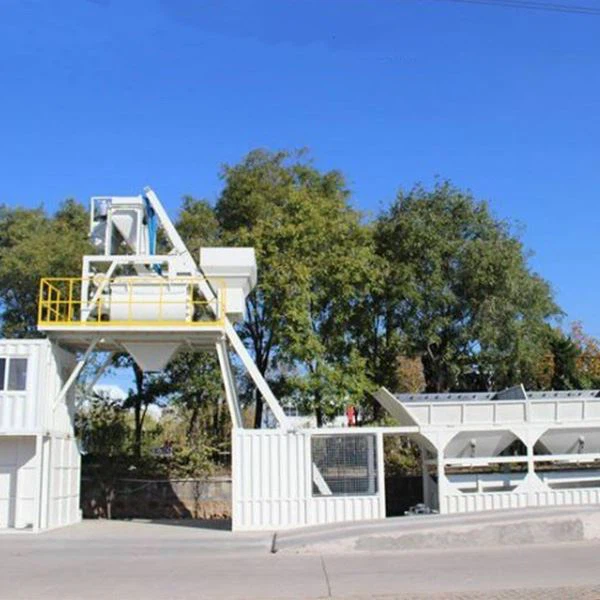
If you're interested in learning more about our Portable Batch Plants or have any questions about preventing leakage, don't hesitate to reach out. We're here to help you make the most of your investment and ensure the success of your operations. Let's start a conversation about how we can meet your specific needs and get you the best Portable Batch Plant for your business.
References
- Industry standards for Portable Batch Plant construction and operation
- Manufacturer's manuals for Portable Batch Plants
- Research on common causes of leakage in industrial equipment