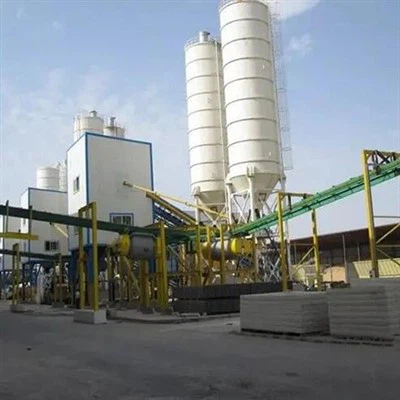
Hey there! As a supplier of Batching Plant Silos, I've been getting a lot of questions lately about how to measure the level of materials in these silos. It's a crucial aspect of running an efficient batching plant, so I thought I'd share some insights on this topic.
First off, why is it so important to measure the material level in a batching plant silo? Well, accurate level measurement helps in several ways. It ensures that you don't run out of materials during the batching process, which can lead to production delays. It also helps in preventing overfilling, which can cause spillage and potential safety hazards. Plus, it allows for better inventory management, so you can plan your material purchases more effectively.
Now, let's dive into the different methods of measuring the material level in a batching plant silo.
1. Mechanical Level Sensors
One of the oldest and simplest methods is using mechanical level sensors. These sensors work on the principle of mechanical contact with the material. For example, a paddle wheel sensor has a small paddle that rotates freely when there's no material in contact. As the material level rises and touches the paddle, it resists the rotation, and this change is detected by a switch. The switch then sends a signal indicating the presence of material at that level.
Another type of mechanical sensor is the vibrating fork. It consists of two prongs that vibrate at a certain frequency. When the material covers the prongs, the vibration frequency changes, and this change is used to detect the material level.
Mechanical sensors are relatively inexpensive and easy to install. However, they have some limitations. They can be affected by material buildup on the sensor, which may lead to false readings. Also, in some cases, the mechanical movement of the sensor parts can be damaged by abrasive or sticky materials.
2. Ultrasonic Level Sensors
Ultrasonic sensors use sound waves to measure the distance between the sensor and the material surface. The sensor emits ultrasonic pulses, which travel through the air and bounce back when they hit the material. By measuring the time it takes for the pulses to return, the sensor can calculate the distance to the material surface and thus determine the material level.
One of the advantages of ultrasonic sensors is that they are non - contact, which means they don't come into direct contact with the material. This makes them suitable for measuring the level of a wide range of materials, including those that are sticky or abrasive. They also provide continuous level measurement, which is useful for real - time monitoring.
However, ultrasonic sensors can be affected by factors such as temperature, humidity, and dust in the silo. High levels of dust can absorb or scatter the ultrasonic waves, leading to inaccurate readings. Also, if there are any obstacles or uneven surfaces inside the silo, it can interfere with the sound wave reflection and cause errors.
3. Radar Level Sensors
Radar sensors work on a similar principle to ultrasonic sensors, but they use radio waves instead of sound waves. The sensor emits microwave signals that travel towards the material surface and are reflected back. By analyzing the time delay and frequency shift of the reflected signals, the sensor can determine the distance to the material surface and the material level.
Radar sensors are highly accurate and reliable. They are less affected by environmental factors such as temperature, humidity, and dust compared to ultrasonic sensors. They can also be used in high - pressure and high - temperature environments.
There are two main types of radar sensors: non - contact and guided wave radar. Non - contact radar sensors are mounted on the top of the silo and measure the level from a distance. Guided wave radar sensors, on the other hand, use a probe that extends into the silo. The microwave signals travel along the probe, and the reflection from the material surface is detected.
Radar sensors are more expensive than ultrasonic and mechanical sensors, but their accuracy and reliability often justify the cost, especially in large - scale batching plants where precise level measurement is crucial.
4. Capacitance Level Sensors
Capacitance sensors work based on the change in capacitance between two electrodes. The sensor consists of an electrode and a reference electrode. When the material level changes, the dielectric constant between the electrodes changes, which in turn changes the capacitance. The sensor measures this change in capacitance and converts it into a level measurement.
Capacitance sensors are suitable for measuring the level of both conductive and non - conductive materials. They are relatively simple and can be used in a variety of applications. However, they can be affected by factors such as material moisture content and static electricity, which may cause fluctuations in the capacitance readings.

5. Load Cells
Load cells are a different approach to measuring the material level in a silo. Instead of directly measuring the height of the material, load cells measure the weight of the silo and its contents. The silo is mounted on load cells, which are essentially force transducers. As the material is added or removed from the silo, the weight changes, and the load cells convert this change in force into an electrical signal.
By knowing the empty weight of the silo, the weight of the material can be calculated, and from that, the volume and level of the material can be estimated. Load cells provide an accurate measurement of the total amount of material in the silo, regardless of the shape or size of the silo.
However, load cells are more expensive to install compared to other sensors. They also require careful calibration and maintenance to ensure accurate readings. Any uneven loading or movement of the silo can affect the accuracy of the measurements.
Choosing the Right Sensor for Your Batching Plant Silo
When choosing a level measurement sensor for your batching plant silo, you need to consider several factors.
- Type of Material: Different materials have different properties, such as abrasiveness, stickiness, and conductivity. For example, if you're dealing with abrasive materials, a non - contact sensor like radar or ultrasonic may be a better choice than a mechanical sensor. If the material is conductive, a capacitance sensor may be suitable.
- Silo Size and Shape: The size and shape of the silo can also influence the choice of sensor. In a large silo, a load cell or a non - contact sensor that can cover a large area may be more appropriate. For irregularly shaped silos, a sensor that measures weight (like load cells) may be more accurate than one that measures height.
- Environmental Conditions: The temperature, humidity, and dust levels inside the silo can affect the performance of the sensor. For example, in a dusty environment, a radar sensor may be more reliable than an ultrasonic sensor.
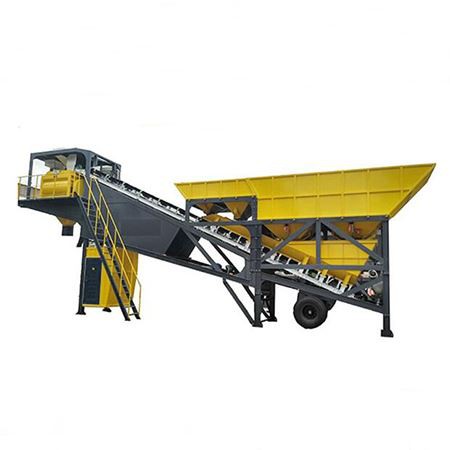
As a Batching Plant Silo supplier, I understand the importance of choosing the right level measurement solution for your specific needs. Whether you're looking for a Batching And Mixing Plant, a Central mix concrete batch plant, or a Mobile Concrete Batch Plant, we can help you select the most suitable level sensors for your silos.
We offer a wide range of silos and level measurement solutions to ensure that your batching plant operates smoothly and efficiently. If you're interested in learning more about our products or need help in choosing the right level measurement method for your silos, don't hesitate to get in touch with us. We're here to assist you with all your batching plant silo needs.
References
- "Level Measurement Technology Handbook" by John W. Doebelin
- "Process Instrumentation and Control Handbook" by Betty L. Oppenheim
So, if you're in the market for a batching plant silo or need help with level measurement, reach out to us. We'll be happy to discuss your requirements and find the best solutions for you.