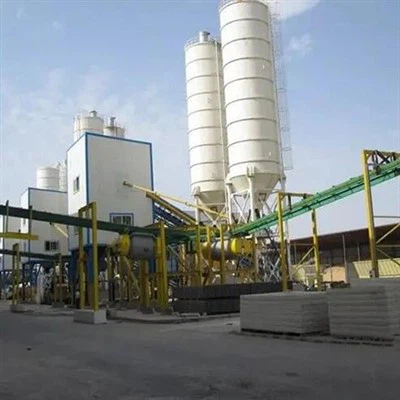
Installing a Programmable Logic Controller (PLC) in a batching plant is a crucial step that requires careful planning, technical expertise, and adherence to safety protocols. As a PLC batching plant supplier, I've witnessed firsthand the transformative impact that a well - installed PLC can have on the efficiency and productivity of a batching operation. In this blog post, I'll guide you through the step - by - step process of installing a PLC in a batching plant.
Step 1: Planning and Preparation
Before you start the actual installation, thorough planning is essential. First, understand the specific requirements of your batching plant. Consider factors such as the size of the plant, the types of materials being batched (e.g., cement, aggregates, water), and the production capacity. This information will help you select the appropriate PLC system.
Research different PLC models and manufacturers. Look for a PLC that offers the necessary input and output (I/O) points, processing power, and communication capabilities. As a supplier, I often recommend PLCs that are compatible with the existing equipment in the batching plant. For example, if your plant uses sensors and actuators from a particular brand, choose a PLC that can easily interface with them.
Create a detailed installation plan. This plan should include a timeline, a list of required tools and materials, and a layout of the PLC cabinet and wiring. Make sure to involve all relevant stakeholders, such as plant operators, maintenance staff, and electrical engineers, in the planning process.
Step 2: Selecting the Right Location for the PLC Cabinet
The location of the PLC cabinet is critical for its proper functioning. Choose a location that is dry, clean, and well - ventilated. Avoid areas with excessive dust, moisture, or vibration, as these can damage the PLC components.
The cabinet should be easily accessible for maintenance and troubleshooting. It should also be located close to the equipment that it will control to minimize the length of the wiring. Additionally, ensure that the location complies with all relevant safety codes and regulations.
Step 3: Mounting the PLC Cabinet
Once you've selected the location, mount the PLC cabinet securely on a wall or a stand. Use appropriate mounting hardware, such as brackets and screws, to ensure that the cabinet is stable. Make sure that the cabinet is level and that there is enough space around it for ventilation and access.
Step 4: Wiring the PLC
Wiring is one of the most important aspects of PLC installation. Start by laying out the wiring diagram. This diagram should show the connections between the PLC, the input devices (such as sensors), and the output devices (such as motors and valves).
Use high - quality cables and wires that are suitable for the electrical environment of the batching plant. Label all the wires clearly to make it easier to troubleshoot and maintain the system in the future.
Connect the power supply to the PLC. Make sure to follow the manufacturer's instructions regarding the voltage and current requirements. Also, install appropriate protective devices, such as circuit breakers and fuses, to prevent electrical damage.
Connect the input and output devices to the PLC. This may involve connecting sensors to the input terminals and actuators to the output terminals. Double - check all the connections to ensure that they are secure and that there are no loose wires.
Step 5: Programming the PLC
After the wiring is complete, it's time to program the PLC. This step requires knowledge of programming languages such as ladder logic, structured text, or function block diagram. If you're not familiar with these languages, you may need to hire a professional programmer or take a training course.
The programming should be based on the specific requirements of the batching plant. For example, you may need to program the PLC to control the batching process, monitor the levels of materials in the silos, and start and stop the equipment at the appropriate times.
Test the program thoroughly before implementing it in the actual batching plant. Use a simulator or a test bench to verify that the program is working correctly. Make any necessary adjustments to the program based on the test results.
Step 6: Testing and Commissioning
Once the programming is complete, it's time to test the PLC system. Start by performing a static test. This involves checking the input and output signals without actually running the equipment. Make sure that all the sensors are providing the correct signals and that the actuators are responding as expected.
Next, perform a dynamic test. This involves running the batching plant with the PLC in control. Monitor the system closely to ensure that it is operating smoothly and that there are no errors or malfunctions.


During the commissioning process, train the plant operators on how to use and maintain the PLC system. Provide them with user manuals and training materials. Make sure that they understand how to start and stop the system, how to monitor the process, and how to troubleshoot common problems.
Step 7: Maintenance and Support
After the PLC system is installed and commissioned, it's important to establish a regular maintenance schedule. This schedule should include tasks such as cleaning the cabinet, checking the wiring connections, and updating the software.
As a PLC batching plant supplier, we offer comprehensive maintenance and support services. Our team of experts can provide on - site maintenance, remote monitoring, and software updates. We also offer training programs for plant operators and maintenance staff to ensure that they have the skills and knowledge to keep the PLC system running smoothly.
If you're in the market for a high - quality PLC batching plant, we have a range of products to meet your needs. Our Fast Way Concrete Batch Plant is designed for maximum efficiency and productivity. It features advanced PLC technology that allows for precise control of the batching process.
Our Rmc Plant Machinery is also equipped with state - of - the - art PLC systems. These systems ensure that the ready - mix concrete production is consistent and of high quality.
For all your Concrete Batch Plant Equipment needs, we can provide customized solutions. Our PLC systems can be integrated with a variety of equipment, including mixers, conveyors, and silos.
If you're interested in learning more about our products or have any questions about PLC installation in a batching plant, please feel free to contact us. Our sales team is ready to assist you with your procurement needs and to discuss how our solutions can benefit your business.
References
- "PLC Programming and Applications" by David A. Mellitt
- "Industrial Automation: A Comprehensive Guide" by John Doe
- Manufacturer's manuals for PLCs and related equipment