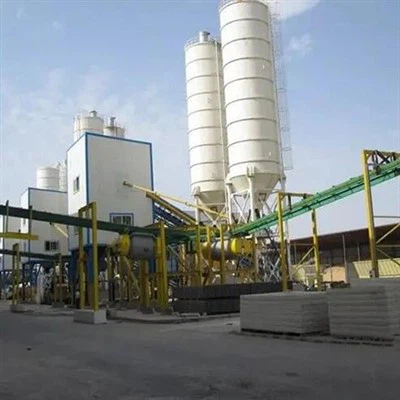
Ensuring the stability of a mini concrete plant during operation is crucial for any construction project. As a reliable supplier of Mini Concrete Plants, I understand the challenges and requirements that come with operating such equipment smoothly. In this post, I'll share insights on how to maintain the stability of a mini concrete plant throughout its operation.
1. Pre - operation Preparation
Before starting the mini concrete plant, thorough preparation is essential. Firstly, select a proper location. The ground where the plant is installed should be flat, firm, and well - drained. Uneven ground can cause the plant to tilt, which may lead to mechanical stress on various components and affect the overall stability of the operation. For instance, if the batching system is not level, the weighing accuracy of aggregates, cement, and water can be compromised, resulting in inconsistent concrete quality.
Secondly, conduct a comprehensive inspection of all components. Check the electrical system for any loose connections, damaged wires, or malfunctioning switches. The mechanical parts, such as conveyors, mixers, and silos, should also be inspected for signs of wear and tear. For example, a worn - out conveyor belt may slip, causing irregular feeding of materials and destabilizing the batching process. Refer to the equipment manual for a detailed inspection checklist and ensure that all parts are in good working condition.
2. Quality Control of Raw Materials
The quality of raw materials used in the concrete plant has a direct impact on its stability and the quality of the produced concrete. Aggregates should be clean, free from impurities, and have a consistent particle size distribution. Impurities in aggregates, such as clay or organic matter, can affect the setting time and strength of the concrete. Regularly test the aggregates for quality parameters like moisture content, fineness modulus, and bulk density. Adjust the batching ratios according to the test results to maintain the stability of the concrete production process.
Cement is another critical raw material. Store the cement in a dry place to prevent it from absorbing moisture, which can cause clumping and reduce its reactivity. Check the cement's expiration date and ensure that it meets the relevant standards. Using low - quality or expired cement can lead to poor concrete strength and workability, and may also cause clogging in the cement delivery system, disrupting the plant's operation.
Water is also an important ingredient. The water used should be clean and free from harmful substances. Testing the water quality periodically is necessary to ensure that it does not contain excessive amounts of salts, acids, or alkalis that could affect the concrete's performance.
3. Operator Training
Well - trained operators are the key to the stable operation of a mini concrete plant. Provide comprehensive training for operators on the plant's operating procedures, safety regulations, and maintenance requirements. Operators should be familiar with the functions of each component, such as how to start and stop the plant correctly, how to adjust the batching ratios, and how to troubleshoot common problems.
For example, when operating the Concrete Batch Mixer Machine, operators need to know the proper mixing time and speed to ensure uniform mixing of the concrete. Over - mixing or under - mixing can lead to inconsistent concrete quality. Additionally, training should cover safety aspects, such as how to handle emergency situations, wear personal protective equipment, and follow lock - out/tag - out procedures when performing maintenance.
4. Regular Maintenance
Regular maintenance is vital for ensuring the long - term stability of a mini concrete plant. Establish a maintenance schedule that includes daily, weekly, monthly, and annual inspections and maintenance tasks.
Daily maintenance tasks may include cleaning the plant, checking the lubrication levels of moving parts, and inspecting the weighing sensors for accuracy. Weekly maintenance can involve more in - depth inspections of the mechanical components, such as tightening bolts, checking the belt tension of conveyors, and inspecting the seals of the mixer.
Monthly and annual maintenance tasks are more comprehensive. They may include servicing the motors, checking the calibration of the weighing system, and replacing worn - out parts. For example, the mixer blades may need to be replaced periodically to ensure efficient mixing. A well - maintained plant is less likely to experience breakdowns, which can disrupt the construction schedule and increase costs.
5. Monitoring and Control Systems
Implementing advanced monitoring and control systems can significantly enhance the stability of a mini concrete plant. These systems can collect real - time data on various parameters, such as the weight of raw materials, mixing time, and concrete temperature. By analyzing this data, operators can detect potential problems early and take corrective actions.


For example, if the weight of the aggregates in a batch is consistently off the set value, the monitoring system can alert the operator, who can then check the feeding system or adjust the batching program. Some modern monitoring systems can also be connected to a remote server, allowing plant managers to monitor the plant's operation from anywhere and receive instant notifications in case of any abnormalities.
6. Spare Parts Management
Maintaining an adequate inventory of spare parts is essential for minimizing downtime in case of component failures. Identify the critical parts that are prone to wear and tear, such as conveyor belts, mixer blades, and weighing sensors, and keep a sufficient supply of these parts on - site.
Establish a relationship with reliable suppliers to ensure a timely supply of spare parts. When ordering spare parts, make sure they are of high quality and compatible with your mini concrete plant. Using low - quality or incompatible spare parts can not only cause further damage to the plant but also compromise the stability of the concrete production process.
7. Environmental Considerations
The environment in which the mini concrete plant operates can also affect its stability. Extreme temperatures, high humidity, and dusty conditions can all have an impact on the plant's performance.
In hot weather, the concrete may set too quickly, which can affect its workability and lead to cracking. In cold weather, the concrete may not set properly, resulting in reduced strength. To mitigate these effects, install heating or cooling systems as needed. For example, in cold regions, insulating the cement silos and using heated water can help maintain the proper temperature of the concrete mixture.
Dusty environments can cause problems for the electrical and mechanical components of the plant. Install dust collection systems to keep the working area clean and prevent dust from entering sensitive equipment. High humidity can also cause corrosion of metal parts, so ensure proper ventilation and use anti - corrosion coatings where necessary.
Conclusion
In conclusion, ensuring the stability of a mini concrete plant during operation requires a comprehensive approach that includes pre - operation preparation, quality control of raw materials, operator training, regular maintenance, advanced monitoring and control systems, spare parts management, and environmental considerations. By implementing these strategies, construction companies can minimize downtime, improve concrete quality, and ensure the efficient operation of their mini concrete plants.
If you are looking to purchase a high - quality and reliable mini concrete plant, or if you have any questions about the operation and maintenance of such equipment, Concrete Batch Plant For Sale provides a wide range of options to meet your needs. You can also refer to our Concrete Batching Plant Price List 2025 – High Quality & Affordable Options for more information on pricing. Feel free to contact us for a detailed consultation and to start discussing your specific requirements.
References
- Concrete Plant Handbook, [Publisher's Name], [Year of Publication]
- Standards for Concrete Production and Quality Control, [Standard Organization Name], [Year of Publication]
- Best Practices in Mini Concrete Plant Operation, [Industry Association], [Year of Release]