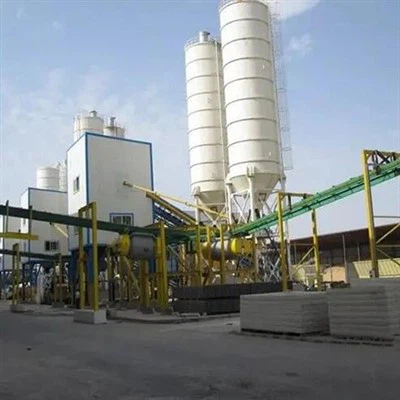
Hey there! As a supplier of cement batching plants, I've seen firsthand the importance of designing these facilities to withstand earthquakes. Earthquakes can be incredibly destructive, and a poorly designed cement batching plant can not only suffer significant damage but also pose risks to workers and the surrounding environment. In this blog, I'll share some key considerations and tips on how to design a cement batching plant with good earthquake resistance.
Understanding Earthquake Forces
Before we dive into the design process, it's crucial to understand the forces that earthquakes exert on structures. Earthquakes generate ground motions that can cause buildings and other structures to shake, vibrate, and even collapse. These ground motions are typically characterized by their intensity, frequency, and duration.
The intensity of an earthquake is measured on the Richter scale or the Modified Mercalli Intensity scale. The higher the intensity, the more severe the ground shaking. Frequency refers to the number of times the ground shakes per second, and duration is the length of time the shaking lasts.
When designing a cement batching plant, it's important to consider the seismic hazard of the location. This involves assessing the likelihood and potential magnitude of earthquakes in the area. You can obtain this information from local geological surveys or seismic hazard maps.
Site Selection
The first step in designing a cement batching plant with good earthquake resistance is choosing the right site. Here are some factors to consider:
- Soil Conditions: The type of soil at the site can have a significant impact on the seismic performance of the batching plant. Soft soils, such as clay or silt, tend to amplify ground motions, while hard soils, like rock, provide better support. Conduct a geotechnical investigation to determine the soil properties and bearing capacity of the site.
- Topography: Avoid sites located on slopes, near fault lines, or in areas prone to landslides or liquefaction. These geological features can increase the risk of damage during an earthquake.
- Proximity to Utilities: Ensure that the site is located away from major utility lines, such as gas pipelines and power lines. In the event of an earthquake, these utilities can be damaged, posing a safety hazard.
Structural Design
Once you've selected the site, the next step is to design the structure of the cement batching plant. Here are some key considerations:
- Foundation Design: The foundation is the most critical part of the batching plant's structure. It provides support and stability to the entire facility. Use deep foundations, such as piles or caissons, to transfer the loads from the structure to the underlying soil. The foundation should also be designed to resist lateral forces caused by earthquakes.
- Structural System: Choose a structural system that is capable of withstanding seismic forces. Steel and reinforced concrete are commonly used materials for cement batching plants due to their high strength and ductility. The structural system should be designed to distribute the seismic loads evenly throughout the structure and prevent localized failure.
- Bracing and Reinforcement: Install bracing and reinforcement elements, such as steel braces or concrete shear walls, to enhance the lateral stability of the structure. These elements help to resist the horizontal forces generated by earthquakes and prevent the structure from collapsing.
- Connections: Ensure that all structural connections are designed and constructed to be strong and ductile. Weak connections can fail during an earthquake, leading to the collapse of the structure. Use high-strength bolts, welds, or other reliable connection methods.
Equipment Selection and Installation
In addition to the structural design, the selection and installation of equipment in the cement batching plant also play a crucial role in its earthquake resistance. Here are some tips:
- Seismic-Resistant Equipment: Choose equipment that is designed to withstand seismic forces. Look for equipment that has been tested and certified to meet seismic design standards. For example, some concrete mixers and conveyors are designed with flexible connections and shock absorbers to reduce the impact of earthquakes.
- Proper Installation: Ensure that all equipment is installed correctly and securely. Follow the manufacturer's installation instructions and use appropriate mounting hardware. Equipment that is not properly installed can become loose or fall during an earthquake, causing damage to the structure and endangering workers.
- Maintenance and Inspection: Regularly maintain and inspect the equipment to ensure that it is in good working condition. Check for any signs of damage or wear, and replace any worn-out parts promptly. Proper maintenance can help to prevent equipment failure during an earthquake.
Safety Features
In addition to the structural design and equipment selection, incorporating safety features into the cement batching plant can further enhance its earthquake resistance. Here are some examples:
- Emergency Shutdown Systems: Install emergency shutdown systems that can automatically stop the operation of the batching plant in the event of an earthquake. These systems can help to prevent accidents and minimize damage to the equipment.
- Fire Protection Systems: Install fire protection systems, such as sprinklers and fire alarms, to protect the batching plant from fires caused by earthquakes. Fires can spread quickly in a cement batching plant, so it's important to have effective fire protection measures in place.
- Evacuation Routes: Design clear and accessible evacuation routes for workers in the event of an earthquake. Mark the evacuation routes clearly and ensure that they are unobstructed at all times. Conduct regular evacuation drills to ensure that workers are familiar with the evacuation procedures.
Conclusion
Designing a cement batching plant with good earthquake resistance requires careful planning, engineering, and attention to detail. By understanding the earthquake forces, selecting the right site, designing a strong and ductile structure, choosing seismic-resistant equipment, and incorporating safety features, you can minimize the risk of damage and ensure the safety of workers and the surrounding environment.


If you're in the market for a Concrete batch plant or Batching Plant Machine, such as an 180m³/H concrete plant machine, I'd be happy to help. Our team of experts can work with you to design and build a cement batching plant that meets your specific needs and requirements. Contact us today to start the conversation and learn more about our products and services.
References
- "Seismic Design of Buildings and Non-Building Structures," American Society of Civil Engineers (ASCE).
- "Earthquake-Resistant Design of Structures," International Code Council (ICC).
- "Geotechnical Engineering for Earthquake Resistant Design," Federal Emergency Management Agency (FEMA).