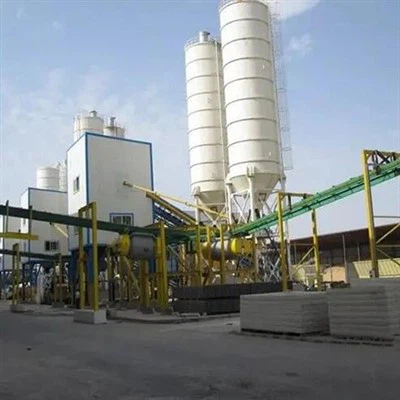
High humidity can pose significant challenges in a Mixer Batching Plant. As a trusted supplier of Mixer Batching Plants, I understand the intricacies involved in operating these facilities under such conditions. In this blog, I will share some effective strategies on how to deal with high - humidity conditions in a Mixer Batching Plant.
Understanding the Impact of High Humidity
High humidity can have several adverse effects on the operations of a Mixer Batching Plant. Firstly, it can affect the quality of the raw materials. Aggregates, for example, tend to absorb moisture from the air. This increased moisture content can lead to inaccurate batching, as the weighing systems are calibrated based on dry material weights. When aggregates are wet, the extra water can disrupt the mix design, resulting in concrete with reduced strength and durability.
Secondly, high humidity can cause corrosion in the plant equipment. Metal components such as conveyors, mixers, and storage silos are at risk of rusting when exposed to a humid environment for extended periods. Corrosion not only shortens the lifespan of the equipment but also compromises its structural integrity, leading to potential safety hazards.
Finally, humidity can also impact the workability of the concrete during the mixing process. Excessive moisture in the air can make the concrete stickier, making it difficult to discharge from the mixer and transport to the construction site. This can slow down the overall production process and increase labor costs.
Strategies to Mitigate the Effects of High Humidity
1. Control of Raw Material Moisture
One of the most crucial steps in dealing with high humidity is to accurately measure and control the moisture content of the raw materials. Installing moisture sensors in the aggregate storage bins can provide real - time data on the moisture levels. This information can be used to adjust the batching process accordingly. For example, if the moisture content of the aggregates is higher than normal, the amount of water added during the mixing process can be reduced to maintain the desired water - cement ratio.
In addition to using moisture sensors, proper storage of raw materials is also essential. Aggregates should be stored in covered areas to minimize their exposure to the humid air. Silos for cement storage should be well - sealed to prevent moisture ingress. By keeping the raw materials dry, we can ensure more consistent batching and higher - quality concrete production.
2. Equipment Maintenance and Protection
Regular maintenance is key to preventing corrosion in a high - humidity environment. This includes cleaning the equipment regularly to remove any dirt, dust, or debris that can trap moisture and accelerate corrosion. Applying anti - corrosion coatings to the metal surfaces of the equipment can also provide an additional layer of protection. These coatings act as a barrier between the metal and the humid air, reducing the risk of rusting.
It is also important to inspect the equipment regularly for signs of corrosion or damage. Any worn - out or damaged parts should be replaced immediately to prevent further deterioration. By investing in proper equipment maintenance, we can extend the lifespan of the Mixer Batching Plant and ensure its reliable operation.
3. Ventilation and Dehumidification
Proper ventilation is essential in a Mixer Batching Plant to reduce humidity levels. Installing exhaust fans in the plant can help remove the moist air and bring in fresh, dry air. This can be particularly effective in areas where the mixing and batching operations take place.
In some cases, dehumidifiers may be necessary to further control the humidity. Dehumidifiers work by removing moisture from the air, creating a drier environment for the plant operations. They can be especially useful in enclosed areas or during periods of extremely high humidity.


4. Adjustment of Mix Design
In high - humidity conditions, it may be necessary to adjust the mix design to compensate for the increased moisture in the raw materials. This could involve increasing the amount of cement or using additives to improve the workability and strength of the concrete. However, any changes to the mix design should be carefully tested and approved to ensure that the final product meets the required standards.
The Importance of Choosing the Right Mixer Batching Plant
When operating in a high - humidity environment, choosing the right Mixer Batching Plant is crucial. A high - quality plant is designed to withstand the challenges posed by humidity and other environmental factors. It should have features such as corrosion - resistant materials, efficient ventilation systems, and accurate moisture control mechanisms.
As a supplier, I offer a range of Mixer Batching Plants that are suitable for various operating conditions, including high - humidity environments. Our Ready Mix Plant And Central Mix Plant are designed with advanced technology to ensure reliable and efficient operation. They are equipped with state - of - the - art moisture sensors and control systems to accurately measure and adjust the moisture content of the raw materials.
Our Best Concrete Plant also feature corrosion - resistant materials and coatings to protect the equipment from rusting. With proper maintenance, these plants can provide long - term service and high - quality concrete production.
If you are looking for a Mixer Batching Plant that can perform well in high - humidity conditions, I encourage you to explore our Concrete Batching Plant Price List 2025 – High Quality & Affordable Options. We offer a variety of models and configurations to meet your specific needs and budget.
Conclusion
High humidity can present significant challenges in a Mixer Batching Plant, but with the right strategies and equipment, these challenges can be effectively managed. By controlling the moisture content of the raw materials, maintaining and protecting the equipment, ensuring proper ventilation and dehumidification, and adjusting the mix design when necessary, we can ensure the production of high - quality concrete even in humid conditions.
As a supplier of Mixer Batching Plants, I am committed to providing our customers with the best solutions for their concrete production needs. If you are interested in learning more about our products or have any questions about dealing with high - humidity conditions in your plant, please feel free to contact us for a detailed discussion and potential procurement.
References
- Neville, A. M. (1995). Properties of Concrete. Pearson Education.
- ACI Committee 211. (2014). Standard Practice for Selecting Proportions for Normal, Heavyweight, and Mass Concrete. American Concrete Institute.
- Concrete Plant Manufacturers Bureau (CPMB). (2020). Guidelines for Concrete Batching Plant Design and Operation.