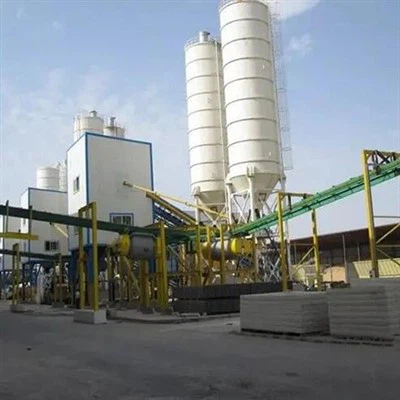
Choosing the right batching plant for a project can be a real head - scratcher. As a batching plant supplier, I've seen firsthand how the wrong choice can throw a project into disarray. In this blog, I'll share some tips on how to pick the perfect batching plant for your project.
1. Project Scale and Requirements
The first thing you gotta consider is the scale of your project. Are you working on a small - scale residential project, like building a single - family home? Or is it a large - scale commercial or infrastructure project, such as constructing a skyscraper or a highway?
For small projects, a Mobile Concrete Plant might be your best bet. These plants are compact and easy to move around. You can set them up quickly at the job site, and they don't take up too much space. They're also cost - effective for small - volume production.
On the other hand, large projects demand high - capacity batching plants. You need a plant that can churn out a large amount of concrete in a short period. High - capacity stationary batching plants are designed for these types of projects. They can handle large aggregates and produce a consistent quality of concrete at a high rate.
2. Concrete Quality Requirements
The quality of concrete required for your project is another crucial factor. Different projects have different strength, durability, and workability requirements.
If your project needs high - strength concrete, like in high - rise buildings or bridges, you'll need a batching plant that can accurately measure and mix the ingredients. A Wet Batch Plant is great for this. In a wet batch plant, all the ingredients, including water, are mixed thoroughly in the mixer. This ensures a more homogenous mixture and better - quality concrete.
For projects where the concrete doesn't need to be extremely high - strength, but still requires good workability, a dry batch plant might do the job. However, you need to be more careful with the mixing process at the job site when using a dry batch plant.


3. Budget Constraints
Let's face it, budget is always a concern. You want to get the best batching plant for your project without breaking the bank.
When looking at your budget, consider not only the initial purchase cost of the batching plant but also the operating costs. Some plants might be cheaper to buy upfront but more expensive to run in the long term. For example, a plant with a less - efficient mixing system might consume more energy and require more maintenance.
You can also look into used batching plants if you're on a tight budget. But be cautious when buying used equipment. Make sure to inspect it thoroughly and check its maintenance history. A Batching Plant Sicoma is known for its quality and reliability. Even if you're considering a used one, a Sicoma - branded plant might be a good option as they usually have a long service life.
4. Site Conditions
The conditions at your project site play a big role in choosing the right batching plant.
If the site has limited space, a mobile or compact batching plant is the way to go. These plants can be set up in a small area and don't require a large foundation.
On the other hand, if the site has ample space and is relatively stable, a stationary batching plant can be installed. Stationary plants often need a proper foundation to ensure stability during operation.
Also, consider the accessibility of the site. If it's difficult to transport large equipment to the site, a mobile plant that can be easily transported in parts might be more suitable.
5. Supplier Support and Reputation
Don't underestimate the importance of the supplier. You want to work with a supplier who can provide good after - sales support.
A reliable supplier will offer installation services, training for your operators, and timely maintenance and repair services. They should also be able to provide you with spare parts when needed.
Look at the supplier's reputation in the market. Check online reviews, talk to other contractors who have used their products. A supplier with a good reputation is more likely to stand behind their products and provide quality service.
6. Environmental Considerations
In today's world, environmental concerns are becoming more and more important. You might want to choose a batching plant that is energy - efficient and has low emissions.
Some modern batching plants are designed with energy - saving features, such as efficient motors and optimized mixing systems. These plants can reduce your energy consumption and lower your operating costs in the long run.
Also, consider the dust and noise emissions of the plant. A plant with good dust - collection systems and noise - reduction features will be more environmentally friendly and less likely to cause problems with neighbors or local authorities.
Conclusion
Picking the right batching plant for your project is a complex decision. You need to consider the project scale, concrete quality requirements, budget, site conditions, supplier support, and environmental factors.
As a batching plant supplier, I'm here to help you make the best choice for your project. If you have any questions or need more information about our batching plants, feel free to reach out. We can have a detailed discussion about your project requirements and find the perfect batching plant for you.
Contact us today to start the conversation and get one step closer to getting the right batching plant for your project.
References
- Concrete Plant Manuals from Industry Manufacturers
- Construction Industry Journals on Equipment Selection
- Interviews with Experienced Contractors in the Field