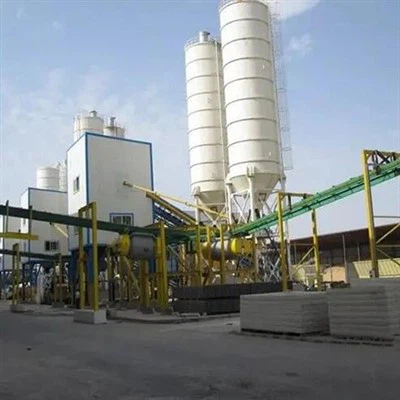
Adjusting the grade of concrete in a cement batching plant is a crucial task that directly impacts the quality and performance of the final concrete product. As a supplier of cement batching plants, I understand the importance of this process and the challenges that come with it. In this blog post, I will share some insights on how to adjust the grade of concrete effectively in a cement batching plant.
Understanding Concrete Grades
Before delving into the adjustment process, it's essential to understand what concrete grades are. Concrete grades are defined by their compressive strength, which is measured in megapascals (MPa) after a specific curing period, usually 28 days. Common concrete grades include C15, C20, C25, C30, etc., with each number representing the minimum compressive strength in MPa.
The grade of concrete required for a project depends on various factors such as the type of structure, load - bearing requirements, and environmental conditions. For example, a simple residential driveway may only require a lower - grade concrete like C15, while a high - rise building foundation may need a higher - grade concrete such as C30 or above.
Factors Affecting Concrete Grade
Several factors influence the grade of concrete, and understanding these is key to making accurate adjustments:
Cement Content
Cement is the binding agent in concrete. Increasing the cement content generally increases the compressive strength of the concrete, thus raising its grade. However, using too much cement can lead to issues such as increased heat of hydration, which may cause cracking in large - volume concrete pours.
Aggregate Quality and Proportion
Aggregates (both fine and coarse) make up a significant portion of concrete. High - quality aggregates with proper grading and shape contribute to better concrete strength. The ratio of fine to coarse aggregates also affects the workability and strength of the concrete. A well - graded aggregate mix can improve the packing density, leading to higher - strength concrete.


Water - Cement Ratio
The water - cement ratio is perhaps the most critical factor affecting concrete strength. A lower water - cement ratio results in higher - strength concrete. This is because excess water creates voids in the concrete matrix as it evaporates, weakening the structure. Therefore, controlling the amount of water added during the batching process is essential for achieving the desired concrete grade.
Admixtures
Admixtures are substances added to concrete to modify its properties. For example, superplasticizers can improve workability without increasing the water content, allowing for a lower water - cement ratio and higher - strength concrete. Other admixtures such as accelerators can speed up the setting time, which may be beneficial in certain applications.
Steps to Adjust the Grade of Concrete in a Cement Batching Plant
Analyze the Requirements
The first step is to understand the specific requirements of the concrete grade for the project. This involves reviewing the project specifications, including the design strength, durability requirements, and workability needs. Based on this analysis, you can determine the target grade of concrete.
Review the Existing Mix Design
If you already have a mix design in place, assess its suitability for the desired grade. Check the current cement content, aggregate proportions, water - cement ratio, and admixture usage. Compare these values with the requirements for the new grade.
Adjust the Cement Content
If the target grade is higher than the current one, you may need to increase the cement content. However, this should be done gradually, as mentioned earlier, to avoid potential problems. Calculate the additional amount of cement required based on the difference in strength and the known relationship between cement content and strength.
Optimize the Aggregate Proportion
Review the aggregate grading and adjust the ratio of fine to coarse aggregates if necessary. A well - balanced aggregate mix can improve the overall performance of the concrete. You may need to conduct sieve analysis on the aggregates to ensure proper grading.
Control the Water - Cement Ratio
To achieve a lower water - cement ratio for higher - strength concrete, you can use superplasticizers. These admixtures can improve workability while reducing the amount of water needed. Calculate the appropriate dosage of superplasticizer based on the manufacturer's recommendations and the specific requirements of the concrete mix.
Incorporate Admixtures
Depending on the project requirements, you may need to add other admixtures such as accelerators, retarders, or air - entraining agents. For example, if the project has a tight construction schedule, an accelerator can be added to speed up the setting time.
Conduct Trial Batches
Once you have made the necessary adjustments to the mix design, conduct trial batches. Test the fresh concrete for workability, slump, and other properties. After curing, test the hardened concrete for compressive strength. Compare the test results with the target grade and make further adjustments if needed.
Using Advanced Technology in Cement Batching Plants
Modern cement batching plants are equipped with advanced technology that can help in adjusting the concrete grade more accurately. For example, automated control systems can precisely measure and control the amount of each ingredient added to the mix. These systems can also store and recall different mix designs, making it easier to switch between different concrete grades.
Some batching plants also use sensors to monitor the properties of the fresh concrete in real - time. This allows for immediate adjustments to be made during the batching process, ensuring that the final product meets the desired specifications.
Our Offerings as a Cement Batching Plant Supplier
As a leading supplier of cement batching plants, we offer a wide range of products to meet your concrete production needs. Our Precast Concrete Batch Plant is designed for high - quality precast concrete production, allowing for precise control of the mix design and concrete grade. Our Ready Mix Concrete Plant Equipment is suitable for large - scale ready - mix concrete production, with advanced features for accurate ingredient measurement and mixing. And our New Concrete Batch Plant incorporates the latest technology to ensure efficient and reliable concrete production.
If you are looking to adjust the grade of concrete in your cement batching plant or are in the market for a new batching plant, we are here to help. Our team of experts can provide you with technical support, customized mix designs, and training to ensure that you can produce high - quality concrete of the desired grade.
Conclusion
Adjusting the grade of concrete in a cement batching plant requires a comprehensive understanding of the factors affecting concrete strength and a systematic approach to making adjustments. By carefully controlling the cement content, aggregate proportion, water - cement ratio, and admixture usage, and by using advanced technology, you can produce concrete of the desired grade consistently.
If you have any questions about adjusting concrete grades or our cement batching plant products, please feel free to contact us. We look forward to discussing your needs and helping you achieve the best results in your concrete production.
References
- Neville, A. M. (2011). Properties of Concrete. Pearson Education.
- ACI Committee 211. (2014). Standard Practice for Selecting Proportions for Normal, Heavyweight, and Mass Concrete. American Concrete Institute.