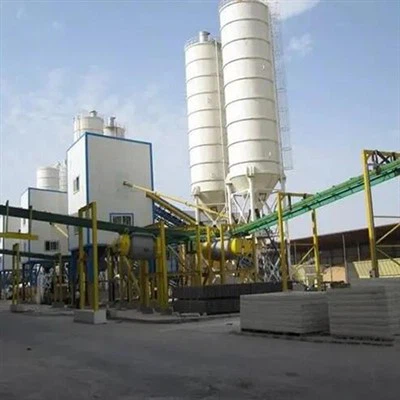
As a supplier of Ready Mix Plants, I often get asked the question: How often should a Ready Mix Plant be maintained? The answer isn't as straightforward as one might think, as it depends on several factors. In this blog post, I'll delve into these factors and provide some general guidelines to help you keep your Ready Mix Plant in optimal condition.


Factors Influencing Maintenance Frequency
Usage Intensity
The frequency of a plant's operation plays a crucial role in determining how often maintenance should be carried out. A Ready Mix Plant that operates 24/7 will naturally require more frequent maintenance compared to one that is used only occasionally. High - intensity usage puts more wear and tear on the machinery, leading to a faster degradation of components. For example, the mixing blades in a continuously - running plant will experience more abrasion from the constant contact with concrete materials. This can result in reduced mixing efficiency and even affect the quality of the ready - mix concrete produced. In such cases, a comprehensive maintenance check should be scheduled at least once a month. On the other hand, a plant used only a few days a week may only need a thorough maintenance inspection every two to three months.
Environmental Conditions
The environment in which the Ready Mix Plant is located can also impact maintenance requirements. Plants situated in harsh environments, such as areas with high humidity, extreme temperatures, or high levels of dust and dirt, are more likely to experience corrosion, component damage, and electrical issues. For instance, in coastal areas where the air is salty, metal parts of the plant can corrode at a faster rate. In hot and dry regions, the lubricants in the machinery may dry out more quickly, increasing friction and wear. In these challenging environments, more frequent maintenance, perhaps every two weeks, may be necessary to prevent major breakdowns. In contrast, plants in mild and clean environments can typically go longer between maintenance intervals, around three to four months.
Type of Ready Mix Plant
Different types of Ready Mix Plants have different maintenance needs. For example, a 90m³/H concrete batching plant is designed for high - volume production. With its larger capacity and more complex machinery, it may require more regular maintenance compared to smaller plants. The larger mixing drums, more powerful motors, and extensive conveyor systems in a high - capacity plant are subject to greater stress. Regular checks of the weighing systems, which are crucial for accurate concrete batching, are also essential. Similarly, an Rcc Concrete Plant used for Roller - Compacted Concrete production has specific components, such as special mixers and compaction equipment, that need to be maintained according to their unique operating requirements.
General Maintenance Schedule Guidelines
Daily Maintenance
Regardless of the factors mentioned above, there are some daily maintenance tasks that should be performed on every Ready Mix Plant. These include visual inspections of the plant for any signs of leaks, loose bolts, or damaged parts. The conveyor belts should be checked for proper alignment and tension, as misaligned or loose belts can cause material spillage and reduced efficiency. The water supply system should also be inspected to ensure there are no blockages or leaks. Additionally, the mixing unit should be cleaned after each use to prevent the build - up of hardened concrete, which can damage the mixing blades and reduce the mixing quality.
Weekly Maintenance
On a weekly basis, more in - depth checks should be carried out. The lubrication levels of all moving parts, such as bearings, gears, and chains, should be inspected and topped up if necessary. The electrical systems, including wiring, switches, and control panels, should be examined for any signs of overheating, short circuits, or loose connections. The filters in the air intake and hydraulic systems should be checked and replaced if they are clogged. This helps to maintain the proper functioning of the plant and prevent damage to sensitive components.
Monthly Maintenance
Monthly maintenance involves more comprehensive inspections and adjustments. The weighing systems should be calibrated to ensure accurate measurement of aggregates, cement, and water. This is crucial for producing consistent - quality concrete. The structural integrity of the plant, including the frames, supports, and platforms, should be checked for any signs of cracks, deformation, or corrosion. The pneumatic systems, which are often used for material transfer and valve operation, should be tested for proper pressure and leaks.
Quarterly and Annual Maintenance
Quarterly maintenance typically includes more detailed component inspections and replacements. For example, the wear parts of the mixing unit, such as the mixing blades and liners, should be inspected and replaced if they are worn beyond the recommended limits. The hydraulic cylinders and pumps should be serviced to ensure smooth operation. On an annual basis, a complete overhaul of the plant may be necessary. This can involve disassembling major components, cleaning them thoroughly, and replacing any parts that show significant wear or damage.
Benefits of Regular Maintenance
Regular maintenance of a Ready Mix Plant offers several benefits. Firstly, it ensures the quality of the ready - mix concrete produced. Accurate weighing systems, properly functioning mixing units, and clean equipment all contribute to a consistent and high - quality end product. This is essential for meeting the strict quality standards of construction projects.
Secondly, regular maintenance reduces the risk of unexpected breakdowns. A breakdown in the middle of a project can cause significant delays and cost overruns. By identifying and addressing potential issues before they become major problems, you can keep your production schedule on track.
Finally, well - maintained plants have a longer lifespan. By taking care of the machinery and components, you can avoid premature wear and tear, which means you won't have to invest in a new plant as frequently. This not only saves money but also reduces the environmental impact associated with manufacturing and disposing of industrial equipment.
Contact for Purchase and Maintenance Consultation
If you're in the market for a Best Concrete Plant or need more information on the maintenance of your existing Ready Mix Plant, I'm here to help. I can provide you with detailed guidance on the specific maintenance requirements of different types of plants, as well as offer advice on purchasing the right plant for your needs. Whether you're a small - scale contractor or a large construction company, I have the expertise to assist you in making informed decisions.
References
- Concrete Plant Manufacturer's Manuals
- Industry Standards for Ready Mix Plant Maintenance
- Research Papers on Industrial Equipment Maintenance