Can a dry mix concrete plant be used for small - scale projects?
Hey there! I'm a supplier of dry mix concrete plants, and I often get asked if these plants are suitable for small - scale projects. Well, let's dive right in and explore this question.
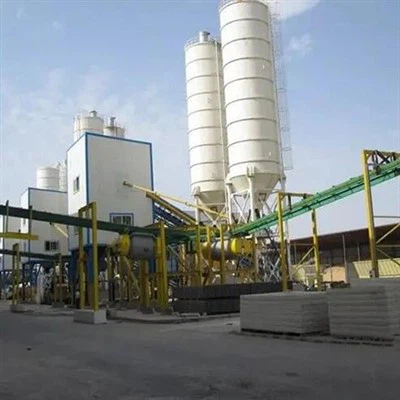
First off, what exactly is a dry mix concrete plant? A dry mix concrete plant is a facility where the raw materials for concrete, like cement, aggregates (sand, gravel), and additives, are proportioned and mixed in a dry state. The resulting dry mix can then be transported to the construction site and mixed with water on - site to form concrete.
Now, for small - scale projects. These could range from building a small garden shed foundation, a driveway for a single - family home, or a small patio. And the answer is a resounding yes, a dry mix concrete plant can definitely be used for small - scale projects, and here's why.


Cost - effectiveness
One of the biggest advantages for small - scale projects is cost. Setting up a large - scale concrete production facility for a small job is just not practical. It would involve huge upfront costs for equipment, land, and labor. With a dry mix concrete plant, the initial investment is relatively low. You don't need a massive amount of space, and the equipment is more affordable. You can buy or lease a small - scale dry mix plant that fits your budget. For instance, if you're building a small shed foundation, you can get a compact dry mix plant that won't break the bank. And since you're only producing the amount of concrete you need for the project, there's less waste, which also saves money in the long run.
Flexibility
Dry mix concrete plants offer great flexibility. You can easily adjust the production volume according to the requirements of your small - scale project. If you only need a small batch of concrete for a weekend patio project, you can produce just that amount. You're not locked into a large - scale production schedule. Also, the dry mix can be stored for a certain period. So, if you have a small project that will be carried out in phases, you can prepare the dry mix in advance and use it as needed. This is especially useful for projects where the weather might be a factor, like outdoor projects during the rainy season. You can have the dry mix ready and mix it with water only when the weather is suitable.
Quality control
When it comes to small - scale projects, quality is still crucial. A dry mix concrete plant allows for better quality control. The raw materials are accurately proportioned in the plant, which ensures a consistent quality of the dry mix. You can also add the right amount of additives to enhance the properties of the concrete, such as its strength and durability. For example, if you're building a driveway, you can add additives to make the concrete more resistant to wear and tear. And since the mixing process is done in a controlled environment, you can avoid common issues like improper mixing that can lead to weak concrete.
Ease of transportation
For small - scale projects, transporting the concrete to the site is often a challenge. With a dry mix concrete plant, the dry mix is lighter and easier to transport compared to ready - mixed concrete. You can use smaller vehicles to transport the dry mix to the site, which is more cost - effective and less of a hassle. Once at the site, it can be quickly mixed with water using a simple mixer, and you're ready to start pouring the concrete.
However, there are also a few things to consider when using a dry mix concrete plant for small - scale projects.
Mixing on - site
Mixing the dry mix with water on - site requires some knowledge and skill. If the mixing is not done properly, it can affect the quality of the concrete. You need to make sure that the water - to - dry mix ratio is correct. Too much water can make the concrete weak, while too little water can result in a dry and unworkable mix. So, it's important to have someone on the site who knows how to mix the concrete correctly.
Time management
Since the dry mix needs to be mixed with water on - site, you need to plan your project carefully. You don't want to mix too much concrete at once and have it harden before you can use it. On the other hand, you also don't want to run out of mixed concrete in the middle of the project. So, good time management is essential.
Now, let's talk about some of the related types of concrete plants. If you're interested in exploring other options for small - scale projects, you might want to check out Small Concrete Batch Plant For Sale. These batch plants are designed to produce concrete in batches and can be a good alternative for small - scale jobs.
Another option is the Central Mix Concrete Plant. In a central mix plant, all the ingredients are mixed at the plant itself, and the ready - mixed concrete is then transported to the site. This can be a good choice if you want to avoid the on - site mixing process, but it might be more expensive for small - scale projects.
The Volumetric Concrete Plant is also worth considering. It measures the ingredients by volume and mixes them on the go. This type of plant offers a lot of flexibility in terms of production volume and can be suitable for small - scale projects as well.
In conclusion, a dry mix concrete plant is a great option for small - scale projects. It offers cost - effectiveness, flexibility, quality control, and ease of transportation. While there are some challenges like on - site mixing and time management, with proper planning and knowledge, these can be easily overcome.
If you're thinking about using a dry mix concrete plant for your small - scale project or want to learn more about our products, don't hesitate to reach out. We're here to help you make the best decision for your project.
References
- Concrete Construction Handbook. McGraw - Hill.
- Guide to Small - Scale Construction Projects. Construction Press.