

As a supplier of Dry Mix Concrete Plants, I understand the critical role that well - trained operators play in the success of any concrete production operation. A dry mix concrete plant is a complex piece of equipment that requires skilled personnel to ensure efficient, safe, and high - quality production. In this blog, I'll share some insights on how to train the operators of a dry mix concrete plant.
Understanding the Basics of a Dry Mix Concrete Plant
Before diving into training, it's essential for operators to have a solid understanding of the dry mix concrete plant itself. A dry mix concrete plant is designed to produce dry concrete mixtures by combining various raw materials such as cement, aggregates (sand, gravel), and additives. These mixtures are then transported to the construction site and mixed with water at the point of use.
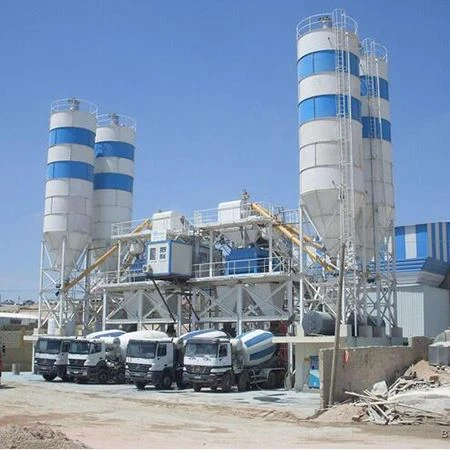

There are different types of concrete batching plants available, each with its own features and applications. For example, the Silo Batching Plant is known for its high - capacity storage silos, which can hold large amounts of cement and other materials. On the other hand, the Rcc Batching Plant is specifically designed for producing Roller - Compacted Concrete (RCC), which is commonly used in dam construction and road paving. The Batching And Mixing Plant combines the functions of batching and mixing in one integrated system, providing a more streamlined production process.
Theoretical Training
The first step in training dry mix concrete plant operators is theoretical training. This phase should cover the following key areas:
1. Plant Components and Functions
Operators need to learn about the different components of the dry mix concrete plant, such as the storage silos, conveyors, weighing systems, mixers, and control panels. They should understand how each component works and how they interact with one another to produce the final concrete mixture. For example, the weighing system is crucial for ensuring accurate proportions of raw materials, while the mixer is responsible for thoroughly blending these materials.
2. Raw Materials
A good understanding of raw materials is essential. Operators should know the characteristics of cement, aggregates, and additives, as well as their roles in the concrete production process. They should also learn about the quality control measures for raw materials, such as testing the moisture content of aggregates and the fineness of cement.
3. Concrete Mix Design
Concrete mix design is the process of determining the optimal proportions of raw materials to achieve the desired properties of the concrete, such as strength, workability, and durability. Operators should be trained in basic mix design principles and how to adjust the mix according to different project requirements.
4. Safety Procedures
Safety is of utmost importance in a dry mix concrete plant. Operators must be trained in safety procedures, including personal protective equipment (PPE) usage, emergency response protocols, and safe operation of equipment. They should also be aware of potential hazards in the plant, such as dust inhalation, moving machinery, and electrical hazards.
Practical Training
After the theoretical training, practical training should follow. This hands - on experience allows operators to apply the knowledge they've learned in a real - world setting.
1. Equipment Operation
Operators should be trained to operate the dry mix concrete plant equipment safely and efficiently. This includes starting and stopping the plant, adjusting the settings of various components, and troubleshooting common problems. For example, they should know how to operate the conveyor belts to transfer materials between different parts of the plant and how to adjust the mixing time and speed of the mixer.
2. Batching and Mixing Operations
Practical training should focus on batching and mixing operations. Operators should learn how to accurately weigh and measure the raw materials according to the mix design, load them into the mixer, and ensure proper mixing. They should also be able to monitor the quality of the concrete mixture during the production process, such as checking the consistency and color of the mix.
3. Maintenance and Troubleshooting
Operators should receive training on basic maintenance tasks, such as cleaning the equipment, lubricating moving parts, and inspecting for wear and tear. They should also learn how to troubleshoot common problems, such as blockages in the conveyors, malfunctioning weighing systems, or issues with the mixer. By being able to perform these tasks, operators can minimize downtime and ensure the continuous operation of the plant.
Continuous Training and Development
Training is not a one - time event. To keep operators up - to - date with the latest technologies and best practices in dry mix concrete production, continuous training and development are necessary.
1. New Technologies and Equipment
The dry mix concrete industry is constantly evolving, with new technologies and equipment being introduced regularly. Operators should be trained on how to use these new technologies, such as advanced control systems that can optimize the production process and improve the quality of the concrete.
2. Quality Control and Standards
Quality control is a critical aspect of dry mix concrete production. Operators should receive ongoing training on the latest quality control standards and testing methods. This will help them ensure that the concrete produced meets the required specifications for each project.
3. Industry Trends
Staying informed about industry trends is also important. Operators should be aware of new developments in concrete mix design, environmental regulations, and sustainable production practices. This knowledge can help them adapt to changing market demands and improve the overall efficiency and competitiveness of the plant.
Importance of Well - Trained Operators
Well - trained operators bring many benefits to a dry mix concrete plant. Firstly, they can ensure the production of high - quality concrete. By accurately following the mix design and operating the equipment correctly, they can produce concrete with consistent properties, which is essential for the success of construction projects.
Secondly, well - trained operators can improve the efficiency of the plant. They can operate the equipment more smoothly, reduce downtime due to equipment failures and errors, and optimize the use of raw materials. This leads to cost savings and increased productivity.
Finally, well - trained operators enhance safety in the plant. They are more aware of potential hazards and are better equipped to follow safety procedures, reducing the risk of accidents and injuries.
Conclusion
Training the operators of a dry mix concrete plant is a comprehensive process that involves theoretical training, practical training, and continuous development. By providing operators with the necessary knowledge and skills, we can ensure the efficient, safe, and high - quality production of dry mix concrete.
If you're in the market for a dry mix concrete plant or need more information on operator training, we're here to help. Our team of experts can provide you with detailed guidance and support to meet your specific needs. Contact us today to start a discussion about your concrete production requirements and how we can assist you in achieving your goals.
References
- Concrete Plant Manuals and Technical Documents
- Industry Standards and Guidelines for Concrete Production
- Research Papers on Concrete Technology and Plant Operation


