Can a PLC be used for real - time monitoring in a batching plant?
As a supplier of PLC batching plants, I've often been asked whether a Programmable Logic Controller (PLC) can be effectively used for real - time monitoring in a batching plant. In this blog, I'll delve into this topic, exploring the capabilities of PLCs, their application in batching plants, and the benefits they bring to real - time monitoring.
Understanding PLCs
A Programmable Logic Controller is an industrial computer that has been ruggedized and adapted for the control of manufacturing processes, such as assembly lines, robotic devices, or any activity that requires high - reliability control and ease of programming and process fault diagnosis. PLCs are designed to handle a wide range of input and output signals, including digital and analog signals, making them highly versatile for various industrial applications.
The Role of Real - Time Monitoring in a Batching Plant
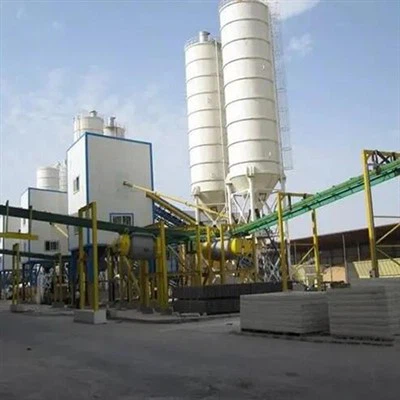
Batching plants are facilities where different materials, such as aggregates, cement, water, and additives, are measured, mixed, and batched to produce concrete or other construction materials. Real - time monitoring in a batching plant is crucial for several reasons. Firstly, it ensures the quality of the final product. By continuously monitoring the quantities of each material being batched, the mixing time, and the temperature, operators can make immediate adjustments to maintain the desired product specifications. Secondly, real - time monitoring helps in preventing equipment failures. By keeping an eye on the performance of motors, conveyors, and other components, potential issues can be detected early, reducing downtime and maintenance costs.
How PLCs Enable Real - Time Monitoring in Batching Plants
PLCs are well - suited for real - time monitoring in batching plants due to their fast processing speeds and ability to handle multiple input and output signals simultaneously. Here's how they work:
Data Acquisition: PLCs are connected to various sensors placed throughout the batching plant. These sensors can measure parameters such as the weight of materials in the hoppers, the flow rate of water, the speed of conveyors, and the temperature inside the mixer. The PLC continuously reads the data from these sensors, converting the analog signals into digital values that can be processed.


Data Processing: Once the data is acquired, the PLC processes it according to the pre - programmed logic. For example, if the weight of a particular material in the hopper falls below a certain threshold, the PLC can trigger an alarm or automatically start a refill process. The PLC can also calculate the ratios of different materials being batched and compare them with the desired values, making adjustments as necessary.
Communication: PLCs can communicate with other devices in the batching plant, such as human - machine interfaces (HMIs), supervisory control and data acquisition (SCADA) systems, and remote monitoring stations. This allows operators to view the real - time data, set parameters, and control the batching process from a central location.
Benefits of Using PLCs for Real - Time Monitoring in Batching Plants
There are several benefits of using PLCs for real - time monitoring in batching plants:
Accuracy: PLCs can provide highly accurate measurements and control, ensuring that the batching process is carried out precisely as required. This leads to consistent product quality and reduces the risk of product defects.
Reliability: PLCs are designed to operate in harsh industrial environments, with built - in protection against electrical noise, temperature variations, and vibration. This makes them highly reliable and reduces the likelihood of system failures.
Flexibility: PLCs can be easily reprogrammed to adapt to different batching recipes or production requirements. This allows batching plants to quickly switch between different products without the need for extensive hardware modifications.
Cost - Effectiveness: By enabling real - time monitoring and control, PLCs can help batching plants reduce waste, improve productivity, and lower maintenance costs. In the long run, this can result in significant cost savings.
Case Studies: PLCs in Batching Plants
Let's take a look at some real - world examples of how PLCs are being used for real - time monitoring in batching plants.
Portable Cement Plant: In a Portable Cement Plant, a PLC is used to monitor the weight of cement, aggregates, and water being batched. The PLC is connected to load cells in the hoppers and flow meters for the water. By continuously monitoring these parameters, the plant can produce high - quality concrete on - site, even in remote locations.
Universal Concrete Batching Plant: A universal concrete batching plant uses a PLC to control the entire batching process, from the feeding of materials to the mixing and discharging of the final product. The PLC monitors the performance of the conveyors, motors, and mixers, ensuring that they operate at optimal levels. This helps in maximizing the plant's productivity and reducing energy consumption.
90m³/H Concrete Batching Plant: In a 90m³/H concrete batching plant, a PLC is used for real - time monitoring of the mixing process. The PLC measures the temperature, pressure, and viscosity of the concrete mixture, adjusting the mixing time and the addition of additives as needed. This ensures that the concrete has the right consistency and strength for the intended application.
Conclusion
In conclusion, PLCs are an excellent choice for real - time monitoring in batching plants. Their ability to acquire, process, and communicate data in real - time, combined with their accuracy, reliability, flexibility, and cost - effectiveness, make them an indispensable tool for ensuring the quality and efficiency of the batching process.
If you're considering upgrading your batching plant or implementing a new one, I encourage you to explore the benefits of using a PLC for real - time monitoring. Our company specializes in providing high - quality PLC batching plants that are tailored to your specific needs. Whether you're looking for a small - scale portable plant or a large - scale industrial plant, we have the expertise and experience to deliver a solution that meets your requirements.
Contact us today to start a conversation about how our PLC batching plants can enhance your operations and improve your bottom line. We're ready to work with you to find the best solution for your batching plant.
References
- "Industrial Automation: Programmable Logic Controllers" by David A. Bell
- "Concrete Batching Plant Design and Operation" by the American Concrete Institute