

As a trusted supplier in the cement mixing plant industry, I've witnessed firsthand the pivotal role that mixing stability plays in the overall performance and quality of concrete production. In this blog post, I'll delve into the concept of mixing stability, its significance, and how it impacts the operations of a cement mixing plant.
Understanding Mixing Stability
Mixing stability refers to the ability of a cement mixing plant to consistently produce concrete with uniform properties over time. It encompasses several key aspects, including the homogeneity of the mixture, the consistency of the concrete's workability, and the reliability of its strength development. A stable mixing process ensures that each batch of concrete meets the required specifications, regardless of the volume produced or the operating conditions.
One of the primary factors influencing mixing stability is the design and functionality of the mixing equipment. A well-designed mixer should be capable of thoroughly blending all the ingredients, including cement, aggregates, water, and additives, to create a homogeneous mixture. This requires precise control over the mixing time, speed, and the order of ingredient addition. Additionally, the mixer should be able to maintain a consistent temperature and humidity level during the mixing process, as these factors can significantly affect the concrete's properties.
Another crucial aspect of mixing stability is the quality and consistency of the raw materials used. Variations in the particle size, shape, and moisture content of the aggregates can have a profound impact on the concrete's workability and strength. Similarly, fluctuations in the chemical composition of the cement can lead to inconsistent setting times and strength development. Therefore, it's essential to source high-quality raw materials from reliable suppliers and to conduct regular quality control checks to ensure their consistency.
The Significance of Mixing Stability
Mixing stability is of utmost importance in the construction industry for several reasons. Firstly, it ensures the structural integrity and durability of the concrete structures. A homogeneous mixture with consistent properties is less likely to develop cracks, voids, or other defects, which can compromise the strength and safety of the structure. This is particularly critical in high-rise buildings, bridges, and other large-scale infrastructure projects, where the consequences of a structural failure can be catastrophic.
Secondly, mixing stability enhances the workability of the concrete, making it easier to place, compact, and finish. A consistent workability ensures that the concrete can be easily transported, pumped, and poured into the formwork without segregation or bleeding. This not only improves the efficiency of the construction process but also reduces the risk of surface imperfections and other quality issues.
Thirdly, mixing stability reduces the variability in the concrete's strength development, allowing for more accurate planning and scheduling of construction activities. When the strength of the concrete is predictable, contractors can determine the appropriate time for formwork removal, curing, and other critical operations. This helps to minimize delays and ensure that the project is completed on time and within budget.
Factors Affecting Mixing Stability
Several factors can affect the mixing stability of a cement mixing plant. These include:
- Mixing Equipment: The design, capacity, and condition of the mixing equipment can have a significant impact on the mixing stability. A mixer that is too small or worn out may not be able to achieve a homogeneous mixture, while a mixer that is too large may result in excessive mixing time and energy consumption.
- Raw Materials: As mentioned earlier, the quality and consistency of the raw materials used are crucial for mixing stability. Variations in the particle size, shape, and moisture content of the aggregates, as well as the chemical composition of the cement, can all affect the concrete's properties.
- Mixing Parameters: The mixing time, speed, and the order of ingredient addition are all important parameters that need to be carefully controlled to ensure mixing stability. Deviations from the recommended mixing parameters can lead to inconsistent concrete quality.
- Environmental Conditions: The temperature, humidity, and wind conditions can all affect the mixing process and the properties of the concrete. High temperatures can accelerate the setting time of the concrete, while low temperatures can slow it down. Similarly, high humidity can increase the moisture content of the aggregates, while strong winds can cause the concrete to dry out too quickly.
Strategies for Improving Mixing Stability
To improve the mixing stability of a cement mixing plant, several strategies can be implemented:
- Invest in High-Quality Mixing Equipment: Upgrading to a modern, well-designed mixer can significantly improve the mixing efficiency and consistency. Look for a mixer that is capable of achieving a high degree of homogeneity in a short period of time, and that has advanced features such as automatic control systems and variable speed drives.
- Source High-Quality Raw Materials: Establish relationships with reliable suppliers and conduct regular quality control checks to ensure the consistency of the raw materials. Consider using advanced testing techniques, such as particle size analysis and chemical composition analysis, to verify the quality of the aggregates and cement.
- Optimize Mixing Parameters: Work with a qualified engineer or technician to determine the optimal mixing time, speed, and order of ingredient addition for your specific application. Use a mixing control system to monitor and adjust these parameters in real-time to ensure consistent concrete quality.
- Control Environmental Conditions: Install environmental control systems, such as heaters, coolers, and dehumidifiers, to maintain a stable temperature and humidity level in the mixing plant. Consider using covers or enclosures to protect the concrete from the elements during transportation and placement.
Our Cement Mixing Plant Solutions
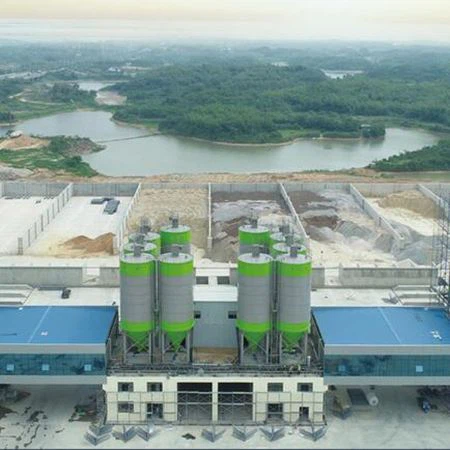
At our company, we understand the importance of mixing stability in the cement mixing plant industry. That's why we offer a wide range of high-quality cement mixing plant solutions designed to meet the diverse needs of our customers. Our products include Small Rmc Plant, Mobile Concrete Plant, and Rcc Concrete Plant, all of which are engineered to provide exceptional mixing stability and performance.
Our cement mixing plants are equipped with state-of-the-art mixing equipment, advanced control systems, and high-quality components to ensure consistent and reliable operation. We also offer comprehensive after-sales support, including installation, commissioning, training, and maintenance services, to help our customers get the most out of their investment.
If you're looking for a reliable and efficient cement mixing plant solution, we invite you to contact us to learn more about our products and services. Our team of experienced professionals will be happy to assist you in selecting the right plant for your specific needs and to provide you with a customized solution that meets your budget and timeline.
Conclusion
Mixing stability is a critical factor in the production of high-quality concrete. By understanding the concept of mixing stability, its significance, and the factors that affect it, cement mixing plant operators can take proactive steps to improve the performance and reliability of their plants. By investing in high-quality equipment, sourcing consistent raw materials, optimizing mixing parameters, and controlling environmental conditions, operators can ensure that each batch of concrete meets the required specifications and delivers the desired results.
At our company, we're committed to providing our customers with the highest quality cement mixing plant solutions and support services. We believe that by working together, we can help you achieve your goals and build a better future. So, if you're interested in learning more about our products and services, please don't hesitate to contact us. We look forward to hearing from you and to helping you take your cement mixing plant operations to the next level.

References
- Neville, A. M. (1995). Properties of Concrete. Pearson Education.
- ACI Committee 211. (2014). Standard Practice for Selecting Proportions for Normal, Heavyweight, and Mass Concrete. American Concrete Institute.
- ASTM International. (2019). Standard Specification for Portland Cement. ASTM C150/C150M-19.


