

Hey there! As a supplier of Mini Concrete Plants, I often get asked about the cooling systems in these nifty little machines. So, I thought I'd take a few minutes to break it down for you.
First off, why do we even need a cooling system in a mini concrete plant? Well, the process of making concrete generates a whole lot of heat. Mixing cement, aggregates, and water isn't just a simple blend - it's a chemical reaction that releases energy in the form of heat. If we don't manage this heat properly, it can cause all sorts of problems. The concrete might set too quickly, leading to a weaker final product. Or, it could damage the components of the plant itself. So, a good cooling system is essential for both the quality of the concrete and the longevity of the plant.
There are a few different types of cooling systems commonly used in mini concrete plants. Let's start with the most basic one: air cooling.
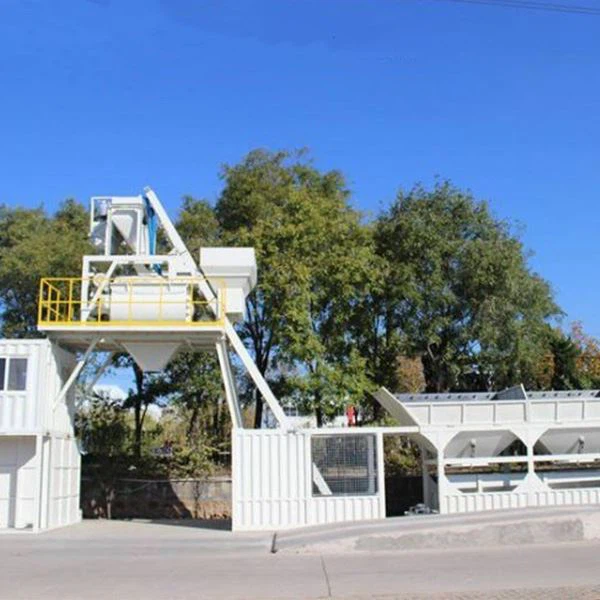
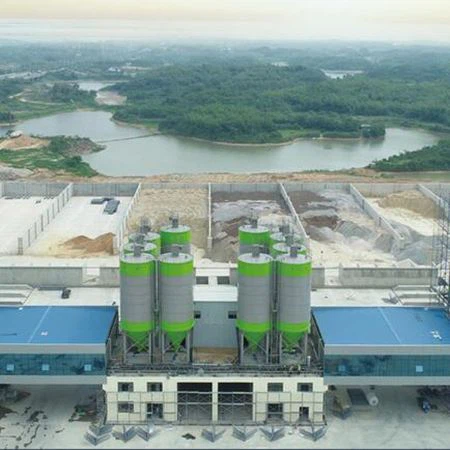
Air Cooling Systems
Air cooling is exactly what it sounds like. It uses air to dissipate the heat generated during the concrete mixing process. These systems usually consist of fans and heat exchangers. The fans blow air over the hot components of the plant, like the mixer or the engine, and the heat is transferred from the components to the air. This heated air is then vented out of the plant.
One of the biggest advantages of air cooling systems is their simplicity. They're relatively easy to install and maintain, and they don't require a lot of additional equipment. They're also energy - efficient, since they mainly rely on the power of the fans to move the air. However, air cooling has its limitations. It's not as effective in hot and humid environments, where the air is already saturated with moisture and has a hard time absorbing more heat.
If you're interested in a plant that might use an air - cooling system, you can check out our Portable concrete batch plant. These portable plants are often designed with simplicity and ease of use in mind, making air cooling a great option.
Water Cooling Systems
Water cooling systems are another popular choice for mini concrete plants. These systems use water as a coolant to absorb and carry away the heat. There are two main types of water cooling systems: open - loop and closed - loop.
Open - Loop Water Cooling
In an open - loop system, water is taken from a source, like a nearby river or a water tank, and pumped through the plant. As it flows through the heat exchangers, it absorbs the heat from the hot components. The heated water is then discharged back into the environment.
The advantage of an open - loop system is that it's relatively inexpensive to set up. You don't need a lot of complex equipment, just a water source and a pump. However, it has some drawbacks. Using an open - loop system can be a problem in areas where water is scarce, as it consumes a large amount of water. There's also the risk of environmental pollution if the discharged water contains any contaminants from the plant.
Closed - Loop Water Cooling
A closed - loop water cooling system, on the other hand, recirculates the water within the system. The water is pumped through the heat exchangers, where it absorbs the heat, and then it's sent to a cooling tower. In the cooling tower, the water is cooled by evaporation, and then it's pumped back into the system to absorb more heat.
Closed - loop systems are more environmentally friendly than open - loop systems, as they use less water. They're also more effective at cooling, since they can maintain a more consistent temperature. However, they're more complex and expensive to install and maintain, as they require a cooling tower and additional pumps.
If you're looking for a more advanced plant that might use a water - cooling system, our Concrete Batching Plants offer a range of options to suit different needs.
Hybrid Cooling Systems
Some mini concrete plants use hybrid cooling systems, which combine the best of both air and water cooling. These systems use air cooling as the primary method, but they also have a water - cooling backup for when the air cooling isn't enough. For example, in extremely hot weather, the water - cooling system can kick in to provide additional cooling.
Hybrid systems offer the flexibility and energy efficiency of air cooling, along with the high - performance cooling capabilities of water cooling. They're a great option for plants that need to operate in a wide range of environmental conditions.
RCC Concrete Plants and Cooling
If you're specifically interested in RCC (Roller - Compacted Concrete) plants, the cooling system is just as important. RCC is used in large - scale construction projects, like dams and highways. The production process of RCC generates a significant amount of heat, and if not properly cooled, it can affect the quality of the concrete.
Our Rcc Concrete Plant is designed with a state - of - the - art cooling system to ensure that the RCC produced is of the highest quality. The cooling system helps to control the temperature of the concrete during the mixing and production process, which is crucial for achieving the desired strength and durability.
Maintenance of Cooling Systems
No matter which type of cooling system your mini concrete plant has, proper maintenance is key. For air cooling systems, you need to regularly clean the fans and heat exchangers to ensure that they're working efficiently. You should also check the belts and motors of the fans for any signs of wear and tear.
For water cooling systems, you need to monitor the water quality. If the water contains a lot of minerals or contaminants, it can cause scaling and corrosion in the pipes and heat exchangers. You should also check the pumps and valves regularly to make sure they're functioning properly.
Conclusion
In conclusion, the cooling system of a mini concrete plant is a crucial component that plays a vital role in the quality of the concrete produced and the lifespan of the plant. Whether it's an air - cooling, water - cooling, or hybrid system, each has its own advantages and disadvantages.
If you're in the market for a mini concrete plant, I'd be more than happy to discuss your specific needs and help you choose the right cooling system for your project. Don't hesitate to reach out for a consultation and start the procurement negotiation process. We're here to make sure you get the best - suited plant for your requirements.
References
- Concrete Technology Handbook
- Construction Equipment Maintenance Guide


